Prescription medications play an important role in modern healthcare. They help manage pain, anxiety, depression, and attention disorders. Yet for millions of people, that same access has created unintended risks.
Understanding why prescription drug abuse is on the rise is not about blame. It is about recognizing how medical practices, mental health pressures, and evolving drug availability intersect. For individuals and families navigating recovery, this knowledge can support earlier intervention and safer paths forward.
Heartfelt Recovery Centers works with New Hampshire communities facing these challenges every day. This resource breaks down national trends, local impact, and evidence-based solutions in clear, compassionate language.
Prescription Drug Abuse as a Growing National Health Concern
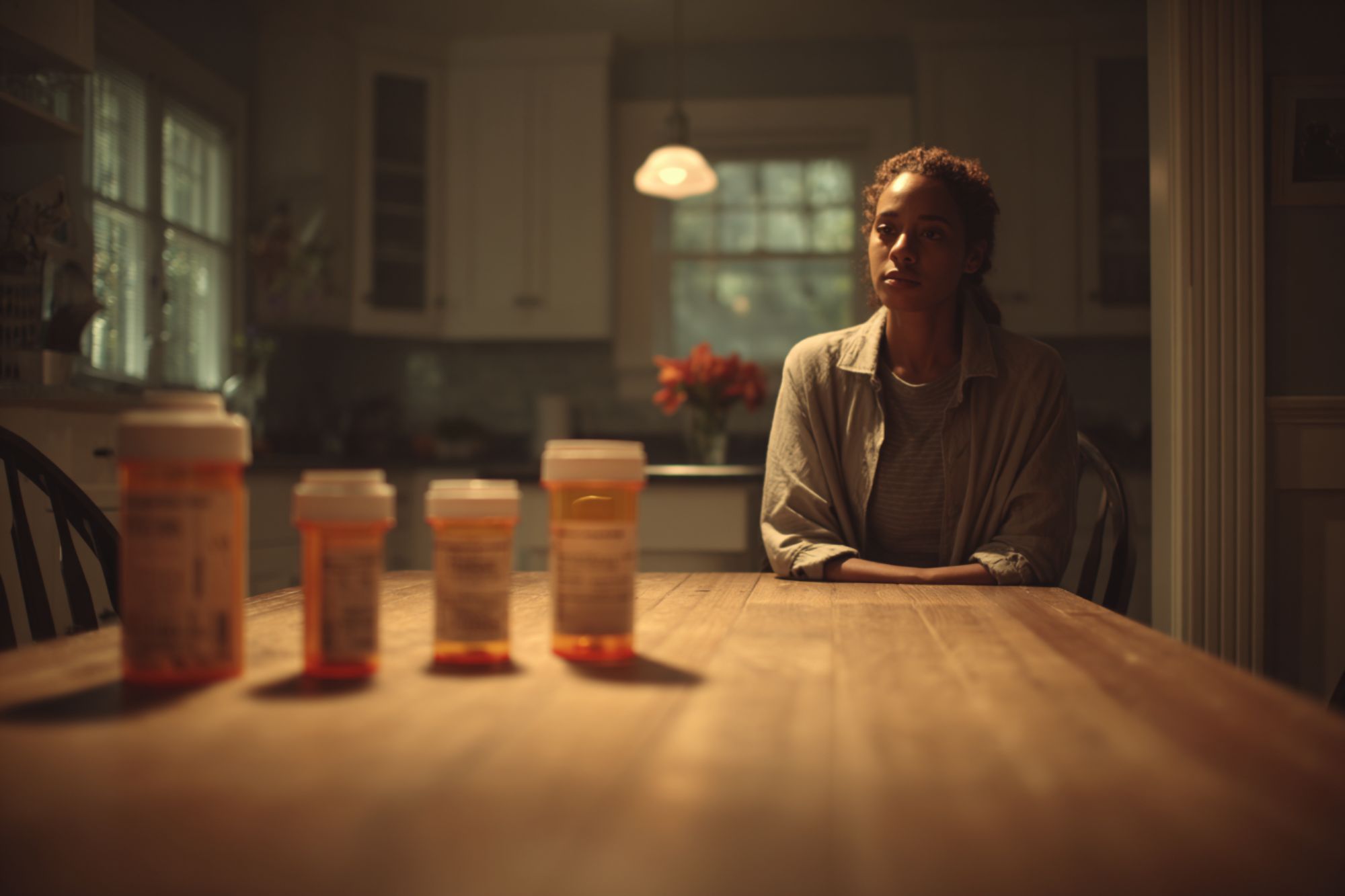
Prescription drug misuse occurs when medications are used in ways not directed by a healthcare provider. This can include taking higher doses, using medication longer than intended, combining prescriptions dangerously, or using someone else’s medication.
National data shows consistent increases in misuse involving:
- Opioid pain medications such as oxycodone and hydrocodone
- Benzodiazepines like Xanax and Klonopin
- Prescription stimulants including Adderall
- Certain sleep medications and sedatives
Unlike illicit substances, prescription drugs often carry a false sense of safety. They come from pharmacies. They are FDA-approved. They are prescribed by doctors. This perception plays a major role in why prescription drug abuse continues to rise.
The Role of Overprescribing and Pain Management Practices
How Prescribing Practices Contributed
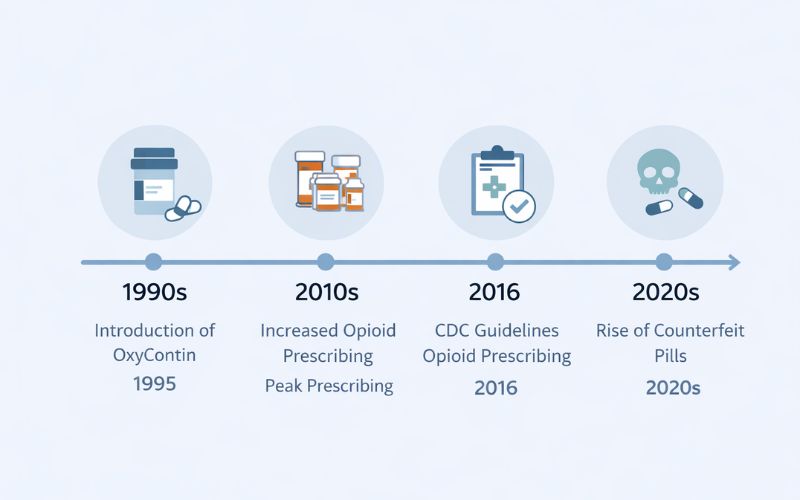
In the late 1990s and early 2000s, pain treatment became a major focus in healthcare. Opioids were widely prescribed after surgery, injury, or for chronic pain. Patients were often reassured that addiction risk was minimal.
Prescribing rates climbed rapidly. Even though guidelines have tightened, leftover medications remain in homes and communities, creating ongoing risk.
For those seeking more clarity around opioid-related risks and recovery options, learning more about opioid addiction treatment and recovery support can help explain how dependence develops and how treatment works.
How Mental Health Trends Influence Prescription Drug Misuse
Mental health challenges are a major driver behind prescription drug misuse. Rates of anxiety, depression, trauma exposure, and chronic stress have increased sharply in recent years.
For many people, prescriptions offer fast relief when therapy or long-term mental health care feels out of reach. Over time, reliance can shift from symptom relief to emotional regulation.
This overlap between substance use and mental health is often referred to as co-occurring disorders. Addressing both at the same time improves long-term recovery outcomes.
Many individuals benefit from understanding how antidepressants are managed safely during recovery when mental health symptoms and substance use overlap.

Why Opioids Drive the Largest Increase in Prescription Drug Abuse
When people ask why prescription drug abuse is on the rise, opioids remain central to the answer.
Opioids affect the brain’s reward and pain pathways. Tolerance can develop within weeks, meaning higher doses are needed for the same effect. When use stops, withdrawal symptoms such as muscle aches, anxiety, nausea, and insomnia can feel overwhelming.
As prescriptions become harder to access, some individuals turn to illicit opioids or counterfeit pills that contain fentanyl. This shift significantly increases overdose risk and community harm.
The Rise of Polysubstance Use
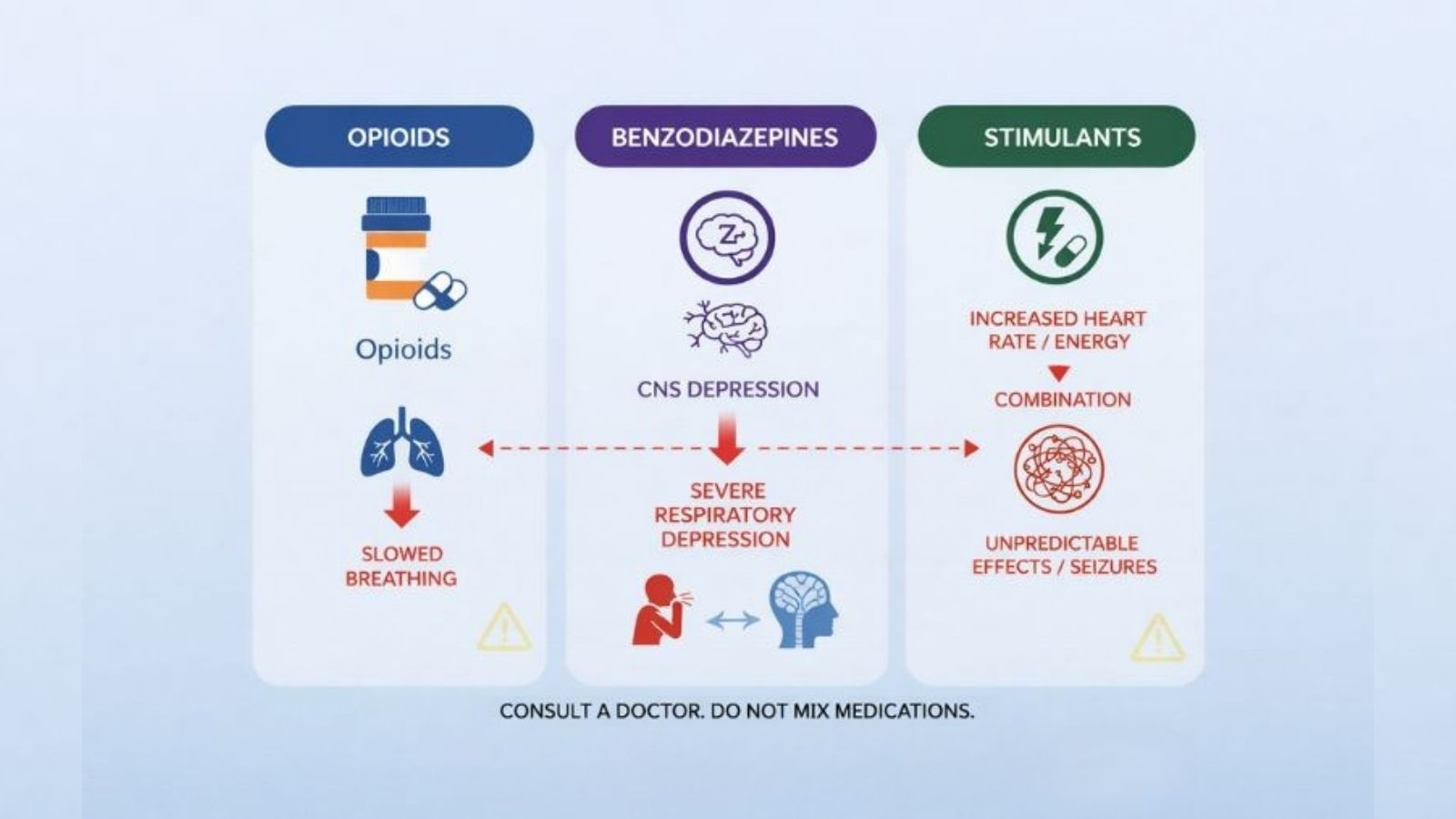
Polysubstance use refers to taking more than one substance at the same time or within a short period. This often happens unintentionally.
Common combinations include:
- Opioids and benzodiazepines
- Prescription drugs and alcohol
- Stimulants paired with sedatives
These combinations suppress breathing and increase overdose risk. Counterfeit pills further complicate the issue, as people may not know what they are taking.
Education around Xanax bar identification and safety risks can be especially important as fake pills become more common across the country.
Local Impact on Families and Communities in New Hampshire
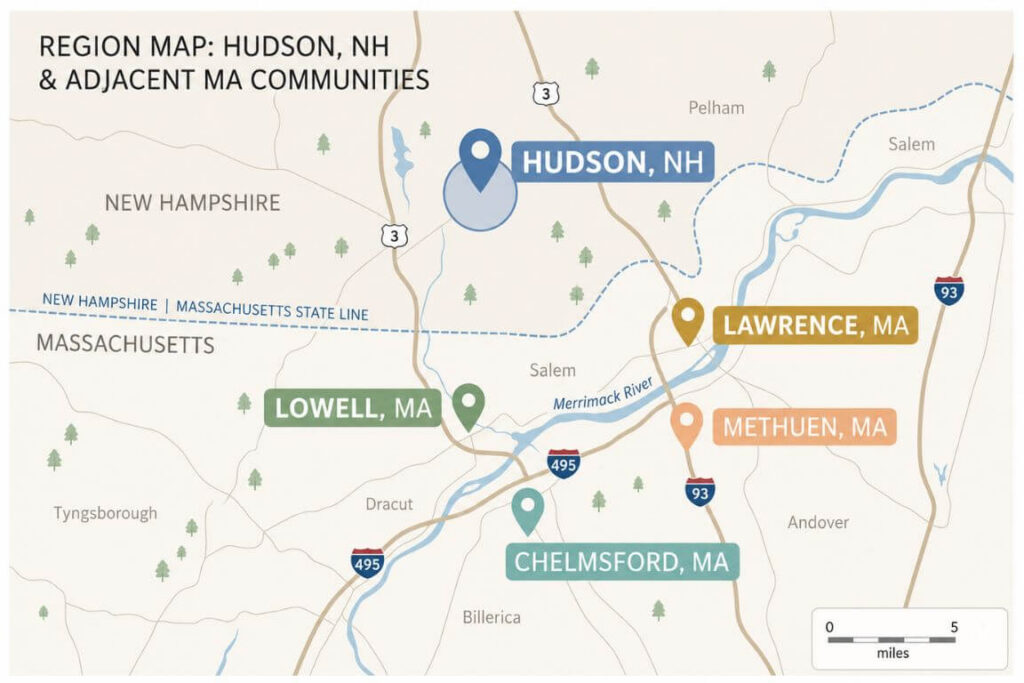
National trends become personal at the local level. In New Hampshire, prescription drug misuse affects families, workplaces, and healthcare systems every day.
Loved ones often notice changes first. Mood shifts. Missed responsibilities. Increased secrecy. These signs can be confusing and frightening, especially when medications were originally prescribed by a doctor.
Community-level effects include:
- Increased emergency room visits
- Greater demand for treatment services
- Workplace productivity loss
- Long-term physical and mental health complications
For families beginning to explore options, finding a trusted addiction recovery center near you can make the process feel less overwhelming and more manageable.
How Early Treatment Can Prevent Long-Term Harm
Early intervention improves recovery outcomes. When support begins sooner:
- Physical health effects are more reversible
- Mental health stabilization is easier
- Family relationships have more room to heal
- Long-term recovery rates improve
Treatment plans may include medication-assisted treatment, individual therapy, group counseling, and trauma-informed care. Many people benefit from structured support that still allows them to maintain daily responsibilities through PHP, IOP, and outpatient treatment pathways.
Prescription drug abuse is on the rise due to increased prescribing, higher rates of anxiety and chronic stress, limited access to mental health care, and the potency of opioids. When medications are misused or combined with other substances, dependence and overdose risk increase significantly.
Frequently Asked Questions
Why is prescription drug abuse on the rise even among people following medical advice?
Physical dependence can develop even when medications are taken exactly as prescribed. Without ongoing monitoring and mental health support, misuse may occur unintentionally.
Are prescription drugs safer than street drugs?
Prescription medications can be safe when used as directed. Misuse, dangerous combinations, or counterfeit pills can make them just as risky as illicit substances.
Can someone recover without stopping all medications?
Yes. Recovery focuses on safety and stability. Some people continue necessary medications under close medical supervision as part of a personalized care plan.
When should families seek professional help?
If medication use begins to affect health, mood, work, or relationships, early professional guidance can prevent more serious harm.
A Supportive Path Forward
Prescription drug abuse is a complex public health issue, not a personal failure. Understanding why prescription drug abuse is on the rise helps families respond with knowledge, compassion, and confidence.
If you or someone you love is ready to take the next step toward healing, Heartfelt Recovery Centers offers personalized care options for individuals and families in New Hampshire. Our team can help verify insurance and explore treatment pathways that support long-term recovery.