

Understanding Addiction Treatment in New Hampshire
Choosing to explore treatment options is a significant step, and it’s natural to have questions about what actually happens inside a recovery center. In New Hampshire, addiction treatment centers offer structured, evidence-based programs designed to help you heal while respecting your individual circumstances and goals.
Treatment isn’t a one-size-fits-all experience. The care you receive depends on your unique situation, from the substances you’ve been using to any mental health conditions that need attention. New Hampshire facilities provide different levels of care, ranging from intensive daily programs to flexible outpatient options that work around your schedule. Understanding what each level offers can help you feel more prepared for the journey ahead.
What Happens When You First Arrive at a Treatment Center?
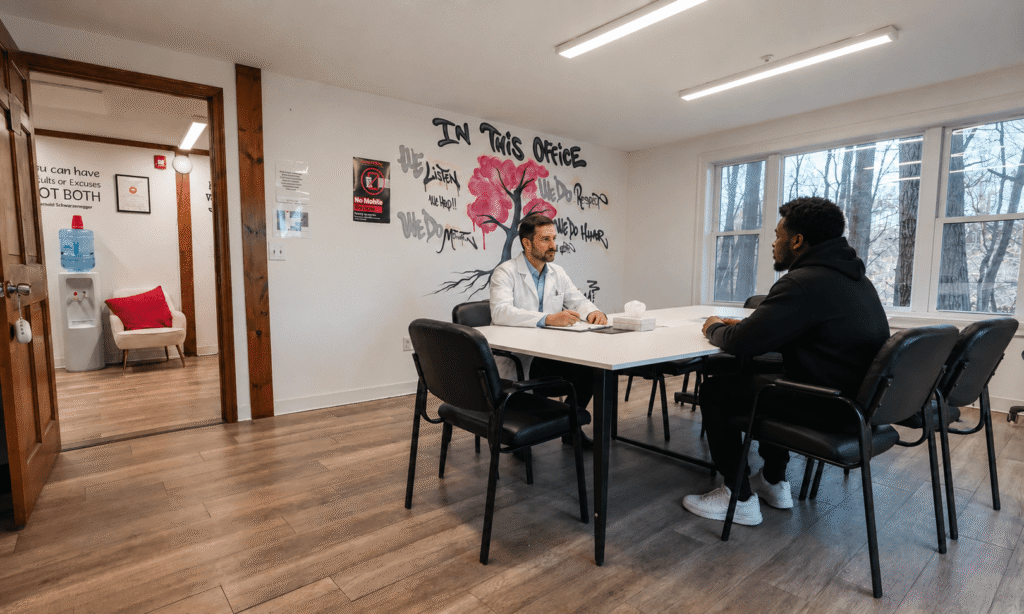
Your first visit to an addiction treatment center in New Hampshire typically begins with a comprehensive intake assessment. This isn’t an interrogation. It’s a conversation with trained professionals who want to understand your story, your struggles, and your goals for recovery.
During intake, you’ll meet with clinical staff who will ask about your substance use history, any previous treatment experiences, current medications, and physical health concerns. They’ll also explore your mental health, family dynamics, work situation, and what you hope to gain from treatment. This information helps create a personalized care plan tailored specifically to you.
Many people worry about judgment during this process. Quality treatment centers approach intake with compassion and professionalism. You’re not being evaluated as a person; you’re being assessed to determine which treatment approach will serve you best. The goal is to meet you exactly where you are and build a path forward from there.
You’ll also receive information about what to expect in the coming days and weeks, including program schedules, therapy modalities, and house rules. Some centers offer a tour of the facility so you can familiarize yourself with the space. This transparency helps reduce anxiety about the unknown.

Understanding the Levels of Care in New Hampshire
New Hampshire addiction treatment centers offer several levels of care designed to match the intensity of support you need with your daily life responsibilities.
Partial Hospitalization Programs (PHP) provide the highest level of outpatient care. If you’re stepping down from detox or need intensive support while living at home, PHP programs typically run five days per week for several hours each day. You’ll participate in individual therapy, group counseling, medication management, and educational sessions. PHP offers structure and medical oversight without requiring you to stay overnight at a facility.
Intensive Outpatient Programs (IOP) offer a middle ground between intensive care and traditional outpatient therapy. IOP sessions usually meet three to five days per week for a few hours each day, often scheduled during evenings or weekends to accommodate work and family commitments. This flexibility makes outpatient programs ideal for working professionals or parents who need treatment but can’t step away from their responsibilities entirely.
Outpatient Therapy provides ongoing support as you continue your recovery journey. Sessions might occur once or twice weekly and focus on maintaining sobriety, building coping skills, and addressing any challenges that arise. This level of care often serves as a step-down from IOP or as long-term maintenance support.
The level of care you start with isn’t permanent. As you progress, your treatment plan may adjust to reflect your growing stability and confidence in recovery. Many people begin with PHP or IOP and gradually transition to less intensive outpatient support.
Types of Therapy You’ll Participate In
Therapy forms the foundation of addiction treatment. New Hampshire addiction treatment centers typically offer several therapeutic approaches, often used in combination for the best results.
Individual therapy provides one-on-one time with a licensed counselor who helps you explore the underlying causes of your substance use, develop healthier coping mechanisms, and work through personal challenges. These private sessions create a safe space to discuss topics you might not feel comfortable sharing in a group setting, including trauma, relationship issues, or mental health concerns.
Group therapy brings together individuals facing similar challenges. You’ll participate in facilitated discussions about recovery, share experiences, and learn from others who understand what you’re going through. Group therapy helps reduce the isolation many people feel in addiction and builds a sense of community and accountability. Topics might include relapse prevention, communication skills, stress management, and building healthy relationships.
Family therapy recognizes that addiction affects entire family systems, not just the individual struggling with substance use. These sessions help repair damaged relationships, improve communication patterns, and educate family members about addiction and recovery. When families understand how to support recovery without enabling, everyone benefits.
Many centers also offer specialized therapeutic modalities like Cognitive Behavioral Therapy (CBT), which helps you identify and change negative thought patterns, and Dialectical Behavior Therapy (DBT), which teaches emotional regulation and distress tolerance skills. Trauma-focused therapies address past experiences that may fuel substance use.

Medication-Assisted Treatment (MAT) Options
For many people, particularly those recovering from opioid use disorder, medication-assisted treatment plays a crucial role in successful recovery. New Hampshire treatment centers often provide access to FDA-approved medications that reduce cravings, ease withdrawal symptoms, and support long-term sobriety.
Medications like buprenorphine (often combined with naloxone in formulations like Suboxone) help stabilize brain chemistry affected by opioid use. These medications aren’t replacing one addiction with another. They’re evidence-based tools that give your brain time to heal while you focus on therapy and building recovery skills.
Treatment centers also prescribe medications to address co-occurring mental health conditions. Antidepressants, anti-anxiety medications, and mood stabilizers help manage symptoms that might otherwise trigger substance use. The goal is comprehensive care that addresses all aspects of your well-being.
Medication management appointments with psychiatric professionals ensure your prescriptions work effectively and that any side effects are addressed promptly. These regular check-ins also provide an opportunity to discuss how you’re feeling and adjust treatment as needed.
How Treatment Centers Support Mental Health Conditions
Many people with substance use disorders also experience mental health conditions like depression, anxiety, PTSD, or bipolar disorder. This connection, called dual diagnosis or co-occurring disorders, requires integrated treatment that addresses both conditions simultaneously.
Quality addiction treatment centers in New Hampshire employ dual diagnosis specialists who understand how mental health and substance use interact. Treating only the addiction while ignoring depression or trauma often leads to relapse because the underlying issues remain unresolved.
What dual diagnosis treatment looks like: During assessment, clinicians screen for mental health symptoms and incorporate appropriate interventions into your treatment plan. You might receive therapy specifically designed for trauma processing, such as EMDR (Eye Movement Desensitization and Reprocessing), alongside traditional addiction counseling. Psychiatric services provide medication management for mental health conditions, while therapists help you develop coping strategies for managing symptoms without turning to substances.
Trauma-informed care recognizes that many people struggling with addiction have experienced trauma. Treatment approaches avoid re-traumatization and instead create a sense of safety, trust, and empowerment. Understanding the connection between mental health and addiction helps explain why comprehensive care produces better outcomes than addressing either condition in isolation.
Daily Structure and Routine in Treatment
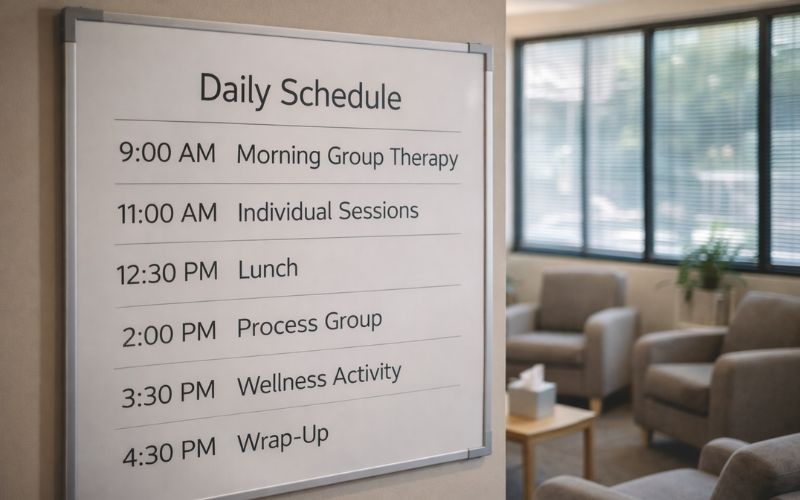
One concern many people have about entering treatment is, what will my days actually look like? While specific schedules vary by program and level of care, most addiction treatment centers in New Hampshire follow a structured routine that balances therapeutic activities with time for reflection and self-care.
A typical day in PHP might include morning group therapy, individual counseling sessions, educational workshops about addiction and recovery, lunch, process groups where you discuss challenges and progress, wellness activities like yoga or mindfulness practice, and evening wrap-up sessions. Structure provides stability during a time when life might feel chaotic.
IOP schedules offer more flexibility, with sessions concentrated in the evening or on weekends. You might attend therapy from 6 to 9 PM on weeknights, allowing you to maintain work or school responsibilities during the day. This approach supports recovery while preserving the daily routines that provide purpose and income.
Between scheduled sessions, you’ll have assignments or exercises to complete, such as journaling about triggers, practicing coping skills, or reading recovery literature. These activities reinforce what you learn in therapy and help you apply new skills to real-life situations.
The routine isn’t meant to feel restrictive. It’s designed to replace the chaos of active addiction with healthy patterns that support sobriety. Many people find the predictability comforting after months or years of unpredictability.
Preparing for Life After Treatment
Quality addiction treatment extends beyond your last therapy session. Aftercare planning begins early in treatment and prepares you for maintaining sobriety after completing a formal program.
Your treatment team will work with you to develop a comprehensive aftercare plan that includes ongoing therapy, support group attendance, relapse prevention strategies, and connection to community resources. This plan addresses practical concerns like housing, employment, and rebuilding relationships alongside clinical needs like continued counseling.
Many New Hampshire treatment centers offer alumni programs that keep you connected to your recovery community. These programs might include monthly meetups, ongoing group sessions, or access to recovery coaches who provide support when challenges arise. Ongoing connection to a recovery community provides valuable support for maintaining long-term sobriety.
Relapse prevention training equips you with tools to recognize warning signs and respond effectively. You’ll learn to identify triggers, develop healthy coping mechanisms, build a support network, and create an action plan for high-risk situations. Understanding that recovery is a journey, not a destination, helps set realistic expectations.
For those concerned about rebuilding trust with family members, aftercare often includes continued family therapy or education sessions. These meetings help families adjust to your sobriety and learn how to support your recovery in healthy ways.
What Makes New Hampshire Treatment Centers Different?
New Hampshire’s addiction treatment landscape reflects the state’s commitment to accessible, evidence-based care. Treatment centers throughout the state combine clinical expertise with understanding of the unique challenges facing New Hampshire residents.
Regional factors influence treatment approaches. Centers understand the opioid crisis affecting New Hampshire communities and provide specialized support for opioid use disorder, including MAT services. They’re also familiar with insurance networks serving state residents and can help navigate coverage questions.
Accreditation matters when choosing a treatment center. Look for facilities accredited by The Joint Commission or similar organizations that verify adherence to safety standards and quality care protocols. These accreditations indicate a facility meets rigorous requirements for staff credentials, treatment protocols, and patient safety.
New Hampshire addiction treatment centers provide comprehensive care through various levels, including PHP, IOP, and outpatient programs. Treatment typically includes individual and group therapy, medication-assisted treatment options, dual diagnosis support for mental health conditions, and structured daily programming designed to develop coping skills while accommodating work and family responsibilities.
Many facilities emphasize flexible scheduling that accommodates the reality that most people seeking treatment have jobs, families, and responsibilities they can’t abandon. Evening and weekend programs recognize that recovery shouldn’t require sacrificing your livelihood or family relationships.
Frequently Asked Questions
How long does treatment at an addiction treatment center in New Hampshire typically last?
Treatment duration is determined by individual assessment and progress. Your treatment team evaluates factors including substance use history, co-occurring conditions, support system strength, and response to treatment when recommending program length. PHP programs generally involve daily participation, while IOP programs continue with multiple weekly sessions. Your clinical team will work with you to adjust the timeline based on your progress and evolving needs. Understanding how long PHP treatment lasts can help you plan accordingly.
Will I be able to work or go to school while in treatment?
Many New Hampshire treatment centers design programs specifically to accommodate work and school schedules. IOP sessions often meet during evenings or weekends, allowing you to maintain daytime responsibilities. PHP programs are more intensive and may require taking temporary leave, though some people adjust work schedules to participate. Discuss your specific situation during intake so staff can help you find the right balance between treatment intensity and maintaining important life responsibilities.
What if I have other health conditions or take medications?
Treatment centers conduct thorough medical assessments during intake and coordinate care with your existing healthcare providers. If you take medications for chronic conditions, staff will ensure continuity of care. Dual diagnosis programs specifically address co-occurring mental health conditions alongside addiction. Always disclose all medications and health conditions during assessment for safe, comprehensive treatment planning.
How much does addiction treatment cost in New Hampshire, and will insurance cover it?
Most New Hampshire treatment centers accept major insurance plans, and the Mental Health Parity Act requires insurers to cover addiction treatment similarly to other medical conditions. Costs vary by program intensity and duration. Many facilities offer free insurance verification to determine coverage before admission. Some also provide payment plans or sliding scale fees for those without insurance. Contact the admissions team to discuss your specific situation and financial options.
What should I bring to my first day at a treatment center?
Bring a valid ID, insurance card, and any medications you’re currently taking (in original bottles). Wear comfortable clothing appropriate for therapy and group activities. Leave valuables at home. Most centers provide a specific list during scheduling, but generally you’ll need minimal personal items for outpatient programs. If you have questions about what to bring, the admissions team can provide detailed guidance based on your program level.
Your Next Step Toward Recovery
Walking through the doors of a treatment center takes courage, and understanding what to expect can make that first step feel less overwhelming. New Hampshire offers quality addiction treatment options designed to support your recovery while respecting your individual needs and circumstances.
Whether you’re exploring PHP programs, outpatient treatment, or wondering which level of care fits your situation, compassionate professionals are ready to answer your questions and guide you toward the right path.
If you or someone you love is ready to begin the journey toward healing, taking the first step is as simple as making a phone call. Treatment centers throughout New Hampshire stand ready to provide the evidence-based, personalized care that makes recovery not just possible, but powerful.