

Understanding Addiction Counseling in New Hampshire
Addiction doesn’t happen in isolation, and neither does recovery. Behind substance use disorders are often layers of emotional pain, unprocessed trauma, relationship struggles, and mental health challenges that need professional attention. That’s where counseling becomes essential.
In New Hampshire, where communities face rising rates of substance use disorders, access to quality therapy has become a critical component of the recovery infrastructure. Addiction counseling provides the foundation for understanding why substance use began, developing healthier coping strategies, and building the emotional resilience needed for long-term sobriety.
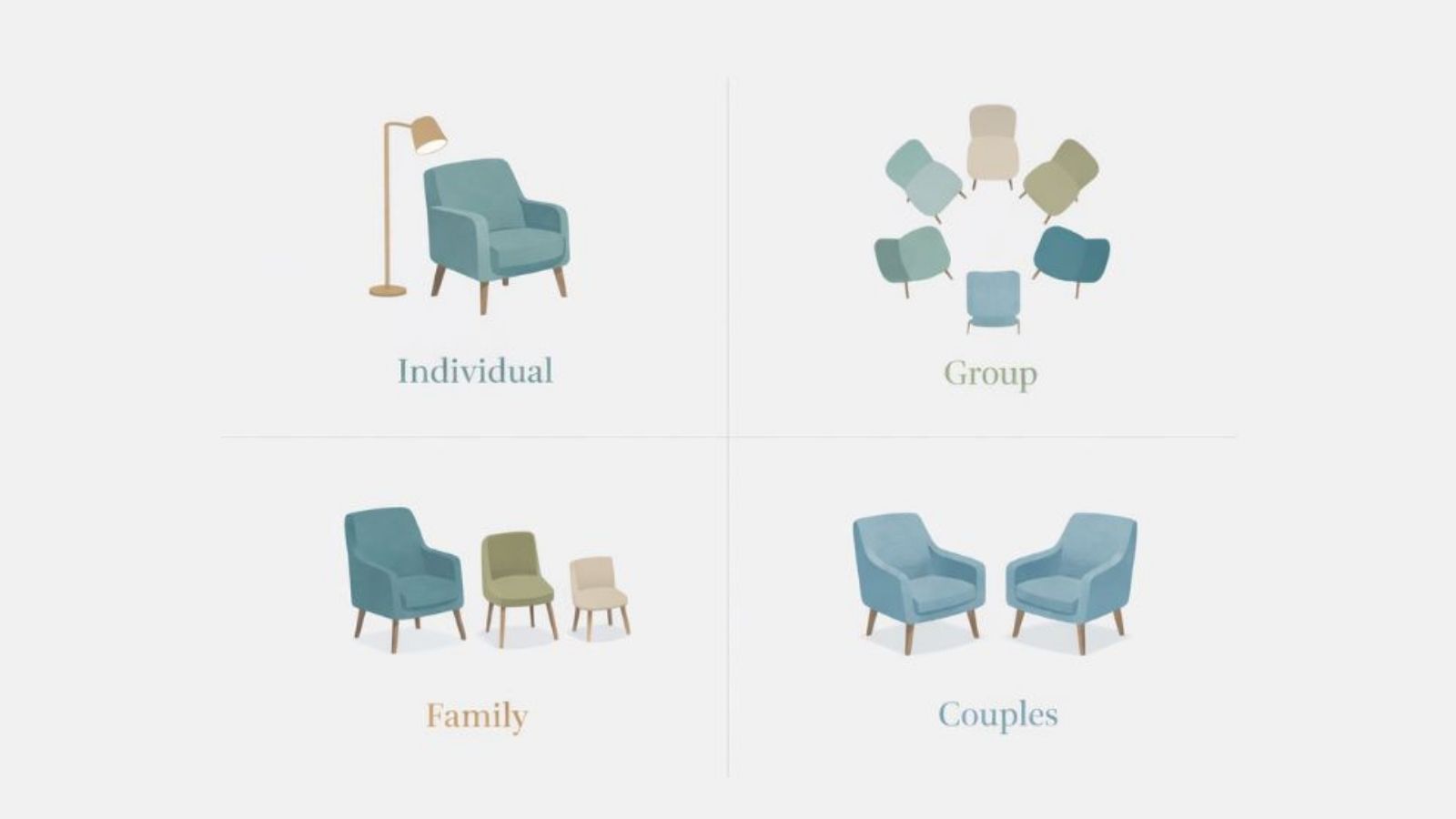
Addiction counseling in New Hampshire encompasses various evidence-based therapy approaches, including individual therapy, group counseling, family sessions, and specialized treatments like CBT and DBT. These services address the psychological, emotional, and behavioral aspects of substance use disorders while helping clients develop sustainable recovery skills and prevent relapse.
The state offers diverse counseling options through outpatient programs, intensive outpatient settings, and specialized treatment centers. Many facilities now integrate dual diagnosis treatment to address co-occurring mental health conditions alongside addiction, recognizing that lasting recovery requires treating the whole person.
Why Counseling Forms the Core of Addiction Recovery
Detoxification clears substances from your body, but counseling addresses what brought you to addiction in the first place. It’s the difference between stopping use temporarily and building a foundation for lifelong recovery.
Counseling helps you identify triggers that lead to substance use, understand patterns of behavior that keep you stuck, and develop new ways of managing stress, emotions, and relationships. Many people discover that their addiction was a coping mechanism for unresolved trauma, chronic anxiety, or deep-seated feelings of inadequacy.
Through therapy, you learn to recognize warning signs before relapse occurs. You develop communication skills that repair damaged relationships. You build self-awareness that transforms how you move through the world. This emotional and behavioral work determines whether recovery sticks or becomes another cycle of relapse.
Research from the National Institute on Drug Abuse consistently shows that behavioral therapies significantly improve addiction treatment outcomes. When combined with medication-assisted treatment when appropriate, counseling becomes even more effective at supporting sustained recovery.
Types of Addiction Counseling Available in New Hampshire
Individual Therapy
One-on-one sessions with a licensed counselor create a confidential space to explore personal challenges, trauma history, and recovery goals. Individual therapy allows you to work at your own pace on issues that feel too vulnerable to share in group settings. Your therapist helps you connect patterns between past experiences and current behaviors, develop personalized coping strategies, and process emotions that may have been numbed by substance use.
Group Therapy
Group counseling connects you with others facing similar struggles. There’s profound healing in realizing you’re not alone. In group sessions, you hear different perspectives, learn from others’ experiences, and practice new communication skills in a supportive environment. Groups also provide accountability, and the relationships built in group therapy often become crucial support networks during challenging moments.
Family Therapy
Addiction affects everyone in the family system. Family counseling addresses damaged trust, improves communication patterns, and helps loved ones understand how to support recovery without enabling continued use. These sessions teach families healthy boundaries and create space for healing conversations that may have been impossible during active use.
Couples Therapy
For those in committed relationships, couples counseling addresses how addiction has impacted the partnership. Understanding healthy boundaries and support strategies helps rebuild intimacy and develop communication tools that prevent conflicts from becoming relapse triggers.
Evidence-Based Therapy Approaches Used in NH Programs
Cognitive Behavioral Therapy (CBT)
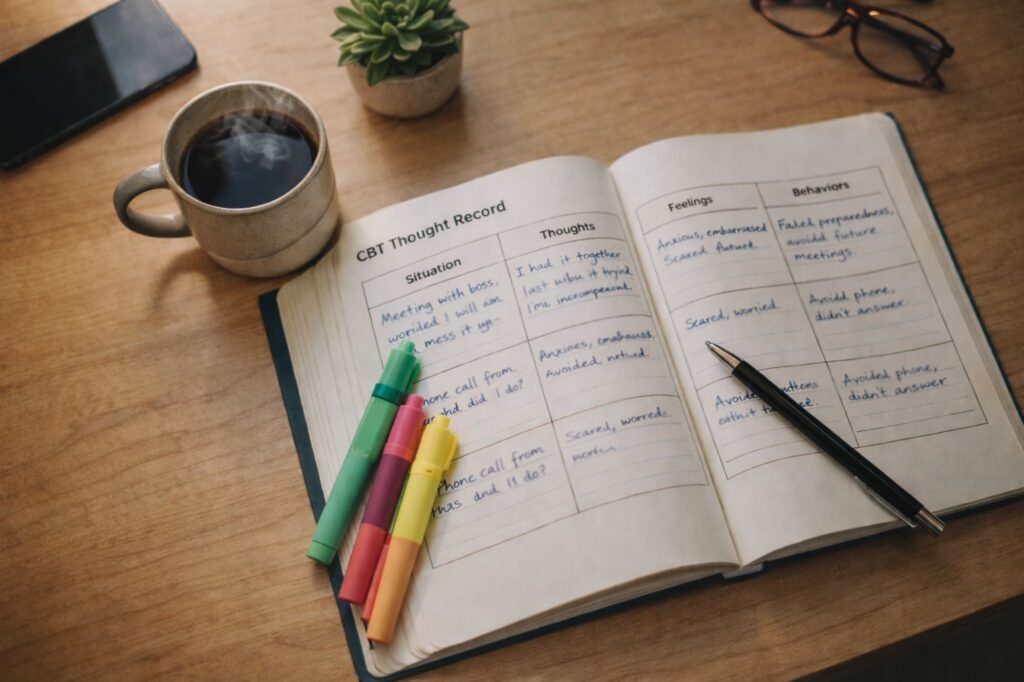
CBT is the gold standard in addiction treatment. This structured approach helps you identify thought patterns that lead to substance use and replace them with healthier thinking. You learn to recognize distorted beliefs like “I can’t handle stress without using” and challenge them with evidence-based alternatives. The practical skills taught include identifying triggers, developing refusal strategies, and creating action plans for high-risk situations.
Dialectical Behavior Therapy (DBT)
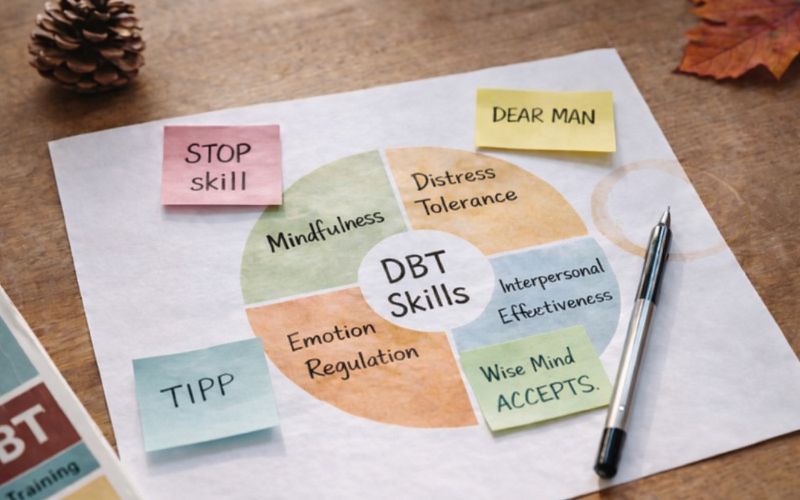
Originally developed for borderline personality disorder, DBT has proven highly effective for addiction, especially when emotional regulation is difficult. This therapy teaches four core skill sets: mindfulness, distress tolerance, emotion regulation, and interpersonal effectiveness. You learn to sit with discomfort without immediately seeking relief through use, a critical skill for maintaining sobriety.
Acceptance and Commitment Therapy (ACT)
ACT focuses on accepting what you cannot change while committing to actions aligned with your values. Rather than fighting cravings or negative thoughts, you learn to observe them without judgment and choose behaviors that move you toward meaningful goals. This approach helps you build a life worth staying sober for.
Trauma-Informed Therapy
Many people struggling with addiction have experienced trauma. Trauma-informed approaches recognize this connection and provide specialized techniques for processing traumatic memories safely. Methods like EMDR therapy help reduce the emotional charge of traumatic events. When you address the root cause of pain rather than just managing symptoms, recovery becomes more sustainable.
The Role of Dual Diagnosis Counseling
Substance use disorders rarely exist in isolation. Depression, anxiety, PTSD, bipolar disorder, and other mental health conditions frequently co-occur with addiction. When both conditions exist simultaneously, it’s called a dual diagnosis or co-occurring disorder.
Standard addiction counseling alone won’t adequately address co-occurring conditions. You need integrated treatment that tackles both the addiction and the mental health disorder together. Treating only one while ignoring the other typically leads to relapse because the untreated condition continues driving problematic behaviors.
New Hampshire has recognized the importance of treating co-occurring mental health and addiction, with many outpatient programs now offering specialized integrated care. This approach acknowledges that mental health and addiction are deeply interconnected, requiring simultaneous, coordinated treatment.
How Counseling Helps Prevent Relapse
Recovery isn’t a straight line. Most people experience setbacks, and counseling provides the skills to navigate challenges without returning to active addiction.
Building Coping Skills
Therapy teaches specific techniques for managing stress, processing emotions, and handling cravings. You develop a toolkit of strategies like mindfulness exercises, grounding techniques, and healthy distraction methods that become automatic responses to triggers.
Identifying Warning Signs
Through counseling, you learn to recognize subtle shifts in thinking or behavior that precede relapse. Maybe you start isolating, skipping meetings, or romanticizing past use. Awareness of these warning signs allows intervention before actual substance use occurs.
Creating Relapse Prevention Plans
Counselors help you develop detailed plans for high-risk situations. What will you do if you’re offered drugs at a party? How will you handle a stressful work deadline? Who can you call during moments of intense craving? Having these plans removes the need to make critical decisions in moments of weakness.
Processing Setbacks Without Shame
If relapse does occur, counseling provides a non-judgmental space to understand what happened, learn from it, and recommit to recovery. Understanding how to communicate about relapse helps you reach out for support rather than hiding in shame. Therapy helps you see setbacks as learning opportunities rather than failures.
Telehealth Counseling for NH Residents
The expansion of telehealth has made addiction counseling more accessible than ever. For New Hampshire residents in rural areas, those with transportation challenges, or anyone balancing work and treatment, virtual counseling removes significant barriers.
Telehealth sessions offer the same evidence-based therapies as in-person treatment. You meet with licensed counselors via secure video platforms, maintaining confidentiality while accessing care from home. This flexibility has been particularly valuable for outpatient treatment programs that accommodate work schedules. The best programs offer hybrid options, allowing you to combine in-person and virtual sessions based on your needs.
How to Choose the Right Counselor or Program
Verify Credentials and Specialization
Look for licensed professionals with specific addiction counseling credentials. Licensed Alcohol and Drug Counselors (LADCs), Licensed Clinical Mental Health Counselors (LCMHCs), and psychologists with addiction specialization bring proven expertise to your recovery. Ask about experience with your specific substance and any co-occurring mental health conditions.
Consider Treatment Philosophy
Different programs emphasize different approaches. Some focus heavily on 12-step principles, while others use primarily clinical methods. Some integrate holistic practices like mindfulness and nutrition. Understanding a program’s philosophy helps you find one aligned with your values.
Evaluate Practical Factors
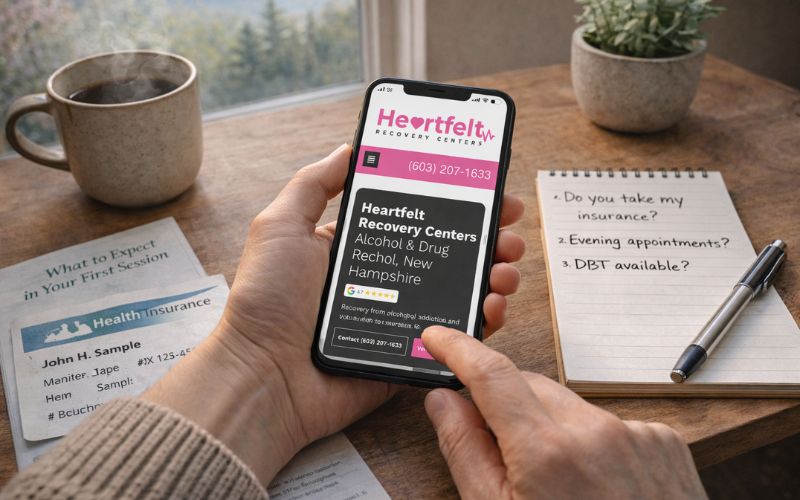
Treatment only works if you can access it consistently. Consider location, schedule flexibility, insurance acceptance, and cost. Many New Hampshire programs offer evening and weekend sessions for working professionals. Understanding different levels of care like PHP and IOP helps you determine which program intensity matches your needs.
Trust Your Instincts
The therapeutic relationship matters enormously. If you don’t feel comfortable with a counselor after a few sessions, it’s okay to request a different provider. Effective therapy requires trust.
Frequently Asked Questions
What’s the difference between addiction counseling and regular therapy?
Addiction counseling specifically addresses substance use disorders using evidence-based approaches designed for recovery. While regular therapy helps with general mental health concerns, addiction counselors are trained in relapse prevention, substance-specific challenges, and the unique dynamics of recovery.
How long does addiction counseling typically last?
The duration varies based on individual needs and treatment intensity. Intensive outpatient programs might involve 9-12 weeks of multiple sessions per week, while ongoing individual therapy can continue for months or years as needed. Recovery is a process, not a deadline.
Does insurance cover addiction counseling in New Hampshire?
Most insurance plans, including those available through New Hampshire’s health insurance marketplace, cover substance use disorder treatment, including counseling. The Mental Health Parity and Addiction Equity Act requires insurers to cover mental health and addiction treatment similarly to medical care. Contact your insurance provider or ask potential treatment programs to verify your benefits.
Can I attend addiction counseling while working full-time?
Yes. Many New Hampshire programs offer flexible scheduling specifically for working professionals. Evening sessions, weekend groups, and intensive outpatient programs designed around work schedules make it possible to receive quality treatment while maintaining employment.
What if counseling didn’t work for me before?
Previous treatment experiences don’t predict future outcomes. Perhaps the therapeutic approach wasn’t the right fit, you weren’t ready for change, or co-occurring conditions went unaddressed. Different counseling modalities work for different people. Finding the right match between your needs and the therapeutic approach makes all the difference.
Find Professional Addiction Counseling in New Hampshire
If you or someone you care about is struggling with addiction, reaching out for professional counseling is a sign of strength, not weakness. Recovery begins the moment you decide that life can be different.
Finding the right addiction counseling in New Hampshire means discovering a program that understands your unique challenges, offers evidence-based treatment, and provides the flexibility to fit recovery into your life. Whether you’re taking your first step or trying again after a setback, compassionate, professional support is available.
Our team specializes in personalized treatment that addresses both addiction and any co-occurring mental health conditions. We offer flexible scheduling, evidence-based therapies, and comprehensive support designed for lasting recovery. Call today to verify your insurance coverage and learn how our counseling programs can support your healing journey.