

Muscle aches linked to opioid use can be unsettling. You might feel soreness that seems to come out of nowhere or stiffness that makes daily routines harder. These symptoms can occur during use, withdrawal, or long-term dependency. Learning what causes them can ease some of that worry and help you make informed decisions about your health.
Heartfelt Recovery Centers supports people throughout New Hampshire as they navigate symptoms like these. This guide explains why opioid induced muscle aches happen and offers simple, practical steps that can help you feel more comfortable during recovery.
Why Do Opioids Cause Muscle Aches?
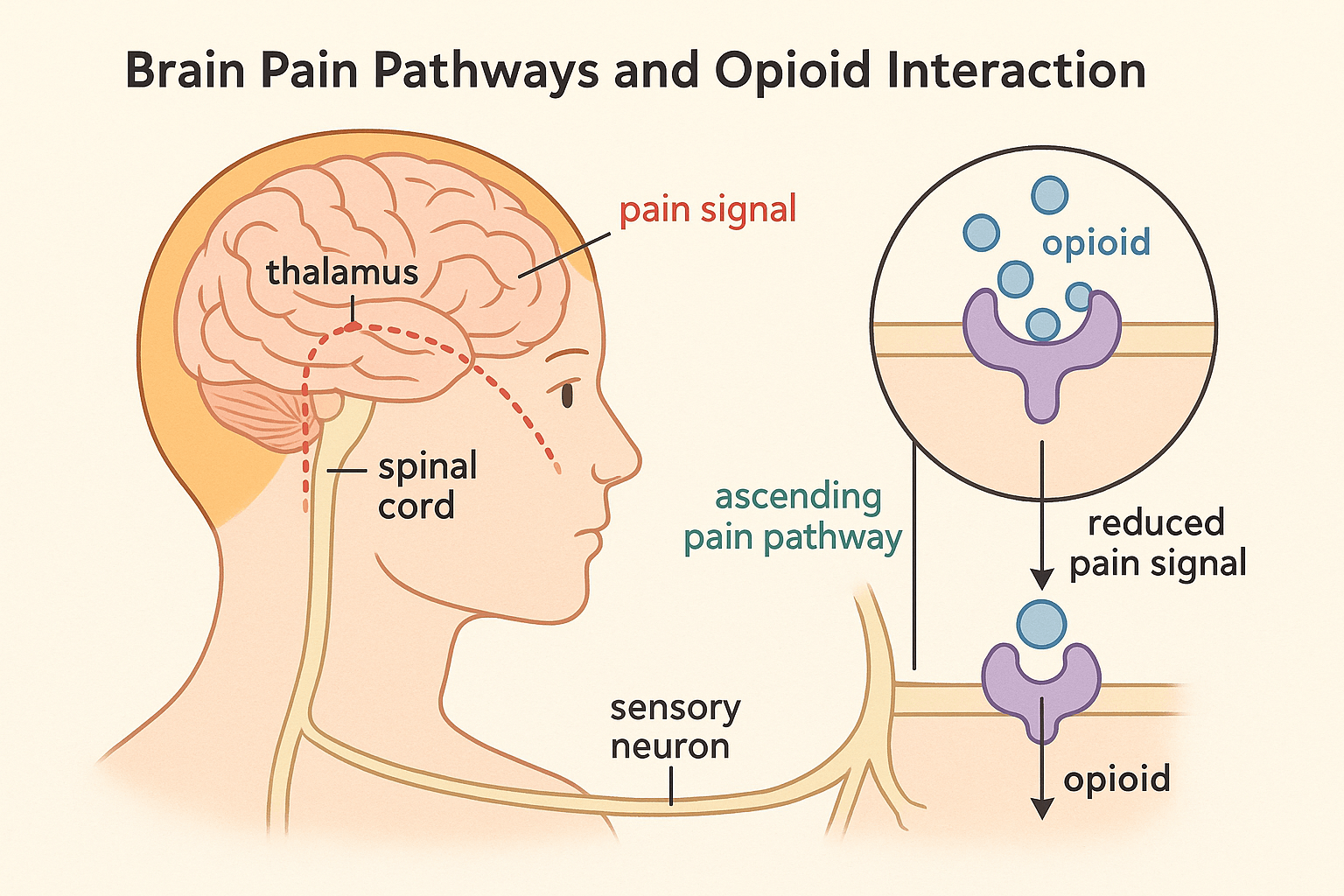
Opioids change the way your brain communicates with the rest of your body. They slow certain signals and alter pain perception. Over time, your muscles and nervous system grow used to that slowed response, which can lead to unexpected soreness.
Changes in Brain Chemistry
When opioid levels drop, your brain sends stronger pain signals, which can create soreness or stiffness.
Muscle Tissue Sensitivity
Long-term use may reduce natural pain regulation, making your muscles more sensitive.
Nervous System Overreaction
As tolerance develops, even small changes in dose can lead to cramps, twitching, or restlessness.
Muscle Aches During Opioid Withdrawal

Withdrawal is one of the most common times people experience muscle pain. Symptoms often start within hours of the last dose and may peak over several days.
Common withdrawal-related symptoms include:
- Deep body aches
- Restless legs
- Cramps
- Full body stiffness
- Difficulty relaxing or sitting still
During opioid withdrawal, muscle pain often comes from your nervous system adjusting to the absence of the drug. Your body becomes more sensitive to pain signals, leading to soreness, stiffness, and cramping. These symptoms are temporary and manageable with proper support.
The Link Between Chronic Pain and Opioid Use
Some people begin taking opioids to manage long-term pain. Over time, however, opioids can reduce the body’s natural pain regulation. This can lead to more frequent muscle discomfort or heightened sensitivity.
For anyone experiencing this cycle, exploring safer long-term strategies can bring real relief. Many people in New Hampshire find that structured support helps them reduce opioid use and strengthen the body’s natural healing systems. You can learn more through our opioid addiction treatment in New Hampshire page.
Coping with Muscle Aches Without Opioids

With the right tools and support, many people find that their muscle aches become more manageable.
Helpful Strategies
- Gentle stretching
- Light yoga
- Heat packs
- Hydration
- Healthy meals
- Rest and sleep
- Non opioid medications recommended by a provider
- Breathing exercises
- Massage therapy
- Support from trained professionals
You can explore more symptoms and recovery tools through our addiction treatment programs in NH page.
When to Seek Professional Help

Reach out for support if you notice:
- Severe muscle pain
- Pain that limits movement
- Symptoms that do not improve
- Withdrawal symptoms that feel overwhelming
- A return to opioid use because of pain
Treatment programs can help ease symptoms, stabilize your nervous system, and guide you through safe recovery. You can also verify insurance to review your coverage options.
Helpful Articles for Understanding Symptoms
Opioid withdrawal affects everyone differently, and learning how symptoms connect can make recovery feel less confusing. You may find it helpful to explore topics like how withdrawal discomfort develops, what to avoid during medication assisted treatment, or why certain medications can be misused. These related articles offer clear guidance:
- Insights on withdrawal discomfort in Dopesick meaning
- Medication safety guidance in essential tips on what to avoid when taking low dose naltrexone
- Understanding risks and relief in can you get high off muscle relaxers
Each expands on symptoms that often overlap with muscle aches, helping you understand the bigger picture of recovery.
FAQ
Do opioids cause muscle aches?
Yes. Opioids alter pain signals, which can make muscles feel achy during use or withdrawal.
Why does withdrawal cause muscle pain?
Your nervous system becomes more active without opioids, creating stiffness and soreness.
How long do muscle aches last?
They often last three to seven days, depending on the opioid and your level of use.
How can I find relief without opioids?
Heat, light stretching, hydration, rest, and non-opioid medications can help.
Can long-term opioid use worsen muscle pain?
Yes. Chronic use may heighten your sensitivity to pain, leading to more frequent discomfort.
Get Support for Opioid Withdrawal Muscle Aches Today
Muscle aches connected to opioid use or withdrawal can feel overwhelming, but relief is possible with the right support. If you or someone you love needs help managing symptoms or exploring treatment options, our New Hampshire team is here to guide you. Call today to verify insurance and explore programs that can help you heal.