
Addiction took a toll on your body. Maybe you skipped meals, ate poorly, or didn’t eat at all. Maybe substances replaced food as your primary source of dopamine. Your body adapted to running on empty while you prioritized getting and using whatever substance held you captive.
Recovery isn’t just about stopping use. It’s about building health. Your body wants to heal. It’s designed to repair and restore when given the right support. Summer in New Hampshire provides unique opportunities to support that healing: fresh produce at farmer’s markets, outdoor movement that feels enjoyable rather than punitive, vitamin D from actual sunshine, and longer days that make healthy routines easier to maintain.
This isn’t about perfection. It’s about giving your body the building blocks it needs to repair the damage addiction caused and creating a foundation that makes staying sober easier.
How Nutrition Supports Addiction Recovery and Prevents Relapse
Proper nutrition isn’t optional in recovery. It’s essential. Here’s why.
Brain Chemistry and Neurotransmitter Production
Addiction depletes neurotransmitters, the brain chemicals that regulate mood, motivation, pleasure, and impulse control. Specifically, dopamine (reward and motivation), serotonin (mood stability and sleep), and GABA (calm and relaxation) are all affected by substance use.
Your brain needs specific nutrients to produce these neurotransmitters. Protein provides amino acids, the building blocks for dopamine and serotonin. B vitamins (especially B6, B12, and folate) are cofactors in neurotransmitter synthesis. Without adequate protein and B vitamins, your brain cannot produce the chemicals you need to feel okay without substances.
Research on individuals with substance use disorders shows significant vitamin B deficiencies. In one study of 119 individuals with substance use disorders, 28.3% had vitamin B12 deficiency compared to 11.5% in control groups (Yazici et al., 2019). These deficiencies contribute to persistent cravings, mood instability, fatigue, and cognitive fog.
Understanding how dual diagnosis treatment addresses both addiction and mental health becomes critical when you realize nutrition impacts brain chemistry that influences both conditions.
Blood Sugar Stabilization
Blood sugar crashes feel remarkably similar to cravings. Low blood sugar causes irritability, anxiety, shakiness, difficulty concentrating, and intense hunger. These sensations trigger the urge to use because they feel like withdrawal or craving.
Many people in early recovery unconsciously replace substances with sugar. You’re seeking the dopamine hit sugar provides, which is understandable. The problem is that refined sugar causes blood sugar spikes followed by crashes. The crashes trigger more cravings, creating a cycle that makes sobriety harder to maintain.
Balanced meals that include protein, complex carbohydrates, and healthy fats stabilize blood sugar. Stable blood sugar means stable mood, fewer cravings, and less risk of interpreting normal hunger as relapse warning signs.
Gut Health and the Gut-Brain Axis
Your gut and brain communicate constantly. The gut microbiome, the community of bacteria living in your intestines, affects mental health, mood, anxiety levels, and even substance cravings. Addiction disrupts gut health. Alcohol damages the intestinal lining. Opioids slow gut motility, affecting nutrient absorption. Stimulants disrupt gut bacteria composition.
Restoring gut health supports mental health. Fiber from whole grains, fruits, and vegetables feeds beneficial gut bacteria. Fermented foods like yogurt, kefir, sauerkraut, and kimchi provide probiotics that repopulate healthy gut bacteria. Better gut health translates to reduced anxiety, improved mood, and easier management of the mental health conditions that often co-occur with addiction.
Physical Repair of Organs and Systems
Substance use damages multiple organ systems. The liver processes toxins and becomes inflamed or scarred. The pancreas is stressed by alcohol. The cardiovascular system is affected by stimulants. The brain experiences structural and functional changes.
All of these systems require specific nutrients to repair. Antioxidants from colorful fruits and vegetables reduce inflammation. Protein provides the raw materials for tissue repair. Vitamins A, C, and E support immune function and wound healing. Zinc and magnesium, both commonly deficient in substance use disorders, are essential for hundreds of enzymatic processes involved in healing.
Your body can repair significant damage if given time and proper nutrition. The liver has remarkable regenerative capacity. Brain function improves as inflammation decreases and new neural connections form. But repair requires consistent nutritional support.
Energy and Motivation for Recovery Work
Recovery requires energy. You need energy for therapy appointments, group sessions, building new social connections, establishing routines, and resisting urges to use. Malnutrition causes fatigue. Fatigue makes everything harder.
Proper nutrition provides sustained energy. Complex carbohydrates fuel your brain and muscles. Protein maintains muscle mass and prevents the energy crashes that come from inadequate calories. Healthy fats support brain function and hormone production. When you have physical energy, the emotional and psychological work of recovery feels more manageable.
What to Eat in Summer for Optimal Recovery
Summer makes eating well easier. Fresh produce is abundant and affordable. Lighter meals feel more appealing in warm weather. Longer days provide more time for meal preparation. Here’s what to prioritize.
Prioritize Protein at Every Meal
Protein provides amino acids for neurotransmitter production, keeps you full longer, and stabilizes blood sugar. Aim for 20-30 grams of protein at each meal.
Summer protein options: grilled chicken, fish (especially fatty fish like salmon), hard-boiled eggs, Greek yogurt, cottage cheese, legumes (black beans, chickpeas, and lentils), and tofu or tempeh for plant-based eaters. Grilling is ideal in summer because it doesn’t heat up your kitchen and adds flavor without excess fat.
Embrace Colorful Produce
Antioxidants in fruits and vegetables reduce inflammation and support healing. Different colors provide different nutrients. Aim for 5-7 servings daily.
Summer offers incredible variety: berries (blueberries, strawberries, raspberries), stone fruits (peaches, plums, cherries), tomatoes, bell peppers, zucchini, cucumbers, leafy greens (spinach, kale, arugula), fresh herbs (basil, cilantro, mint). Visit farmer’s markets in New Hampshire for peak-season produce at good prices. Local farms in Nashua, Hudson, Manchester, and throughout the Merrimack Valley offer farm stands and u-pick options.
Choose Complex Carbohydrates
Complex carbohydrates provide sustained energy and support serotonin production, which improves mood and sleep. They also provide fiber for gut health.
Summer options: quinoa salads (cold quinoa with vegetables and herbs), whole-grain sandwich bread, sweet potatoes (can be grilled), brown rice, and oats (overnight oats with berries for an easy breakfast). Avoid refined sugar, white bread, and sugary drinks. These cause blood sugar crashes that trigger cravings and mood instability.
Include Healthy Fats
Healthy fats support brain function, reduce inflammation, help you absorb fat-soluble vitamins (A, D, E, K), and keep you satisfied. Include a fat source at each meal.
Summer options: avocado (in salads, on sandwiches, or mashed with lime and salt), nuts and seeds (as snacks or sprinkled on salads), olive oil (for dressings and cooking), fatty fish, and nut butters. These fats are anti-inflammatory and support the brain repair that happens in recovery.
Stay Hydrated
Dehydration mimics withdrawal symptoms. It causes headaches, fatigue, difficulty concentrating, irritability, and anxiety. In summer heat, dehydration happens quickly. Many people in early recovery are chronically dehydrated from substance use and don’t recognize their body’s thirst signals.
Target: Half your body weight in ounces of water daily (a 150-pound person needs 75 ounces). More if you’re exercising or spending time outdoors. Plain water is best. If plain water feels boring, try infused water: cucumber and mint, berries and basil, lemon and ginger, or watermelon and lime.
Limit Caffeine and Refined Sugar
Both caffeine and sugar create energy spikes followed by crashes. The crashes feel like cravings or withdrawal. They also disrupt sleep, which worsens mood and increases relapse risk.
This doesn’t mean complete elimination, especially early in recovery when you need all the support you can get. If you drink coffee, pair it with protein and fat to slow absorption. If you crave sweets, choose fruit or a small amount of dark chocolate rather than candy or baked goods. Be patient with yourself. Replacing substances with sugar is still progress. As recovery progresses, you can gradually reduce sugar without feeling deprived.
Foods That Specifically Support Recovery
Certain foods are particularly valuable for repairing addiction-related damage:
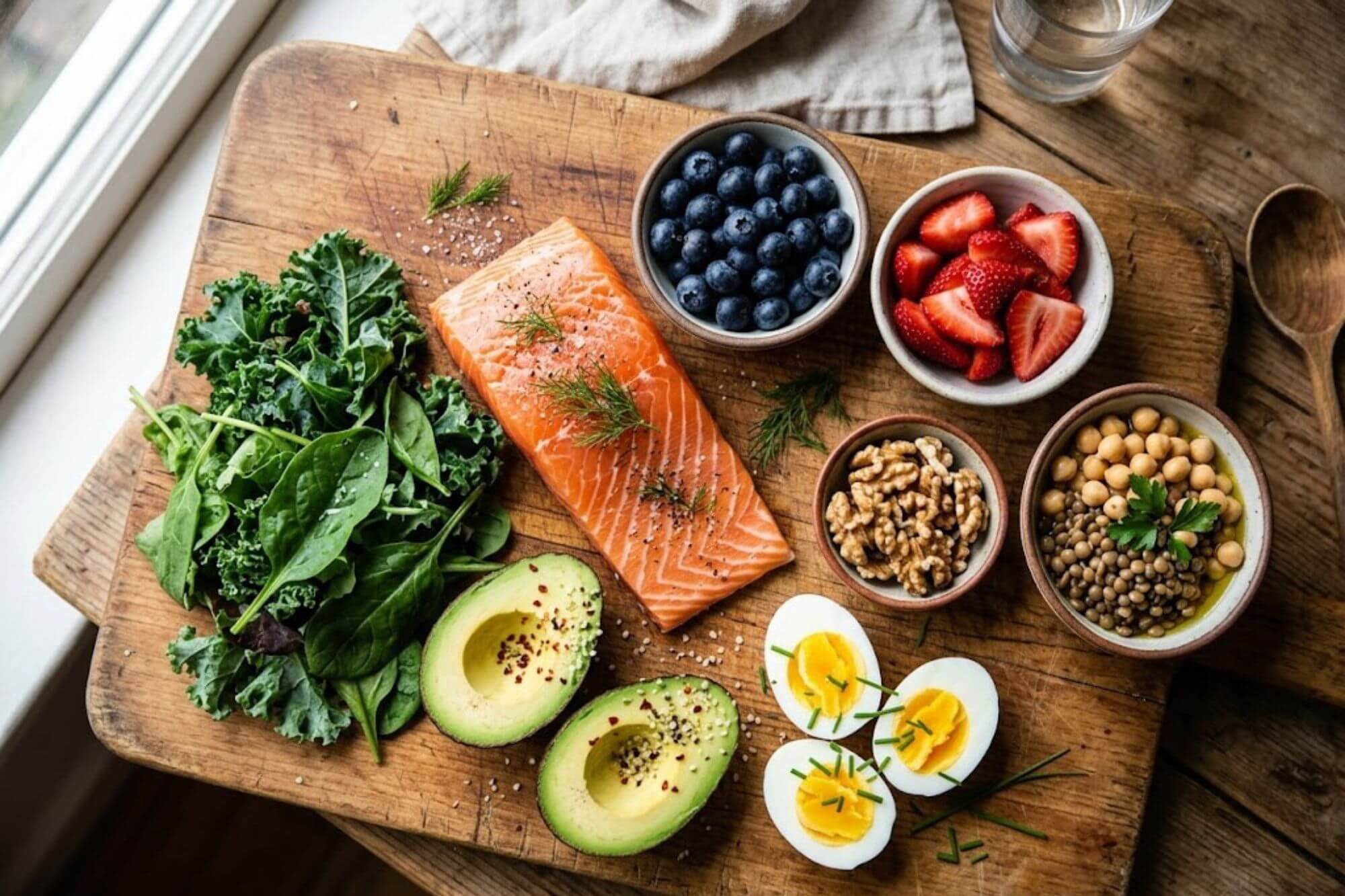
Omega-3 fatty fish (salmon, mackerel, and sardines): Reduce brain inflammation, support cognitive function, and improve mood. Aim for 2-3 servings per week.
Dark leafy greens (spinach, kale, Swiss chard): Provide folate, which is essential for neurotransmitter production and often deficient in substance use disorders.
Berries (blueberries, strawberries, blackberries): Packed with antioxidants that protect brain cells and improve memory and cognitive function.
Fermented foods (yogurt, kefir, sauerkraut, kimchi): Restore gut bacteria diversity, which improves digestion, mental health, and immune function.
Nuts and seeds (almonds, walnuts, pumpkin seeds, sunflower seeds): Provide magnesium and zinc, both commonly deficient in addiction and essential for hundreds of body processes.
Simple 7-Day Summer Meal Plan for Recovery
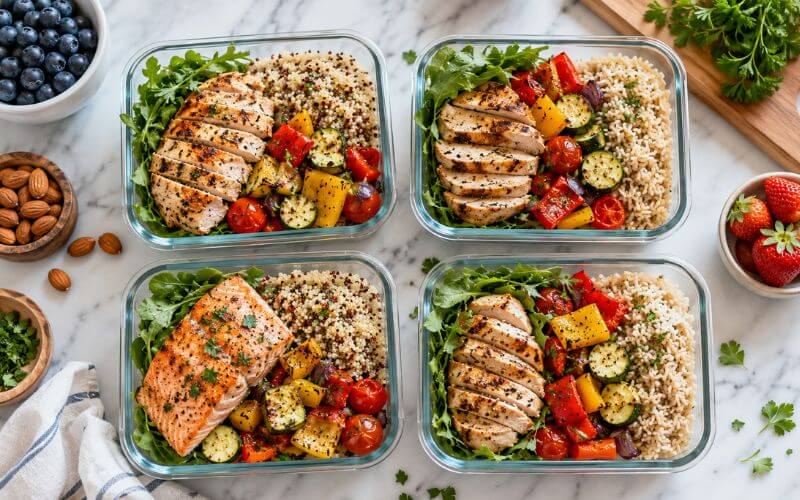
This meal plan emphasizes easy preparation, balanced nutrition, and seasonal produce. All meals include protein, complex carbohydrates, and healthy fat for blood sugar stability. Adjust portions based on your hunger and energy needs.
Monday:
- Breakfast: Greek yogurt parfait with berries, granola, drizzle of honey
- Snack: Apple with almond butter
- Lunch: Grilled chicken salad (mixed greens, tomatoes, cucumbers, avocado, olive oil and lemon dressing)
- Snack: Hummus with carrot and bell pepper sticks
- Dinner: Baked salmon, quinoa, roasted zucchini and cherry tomatoes
Tuesday:
- Breakfast: Scrambled eggs with spinach, whole grain toast with avocado
- Snack: Trail mix (nuts, seeds, dried fruit)
- Lunch: Turkey and avocado wrap in whole wheat tortilla with side salad
- Snack: Cottage cheese with peach slices
- Dinner: Grilled chicken tacos (whole wheat tortillas, black beans, peppers, onions, salsa, avocado)
Wednesday:
- Breakfast: Overnight oats (oats, milk, chia seeds, banana, berries)
- Snack: Hard-boiled eggs
- Lunch: Tuna salad on mixed greens with whole grain crackers
- Snack: String cheese and strawberries
- Dinner: Grilled shrimp, brown rice, steamed broccoli
Thursday:
- Breakfast: Smoothie (banana, berries, spinach, protein powder, almond butter, milk)
- Snack: Celery with peanut butter
- Lunch: Leftover grilled chicken over quinoa with roasted vegetables
- Snack: Greek yogurt with walnuts
- Dinner: Turkey burger (whole wheat bun), sweet potato fries, side salad
Friday:
- Breakfast: Veggie omelet (eggs, peppers, mushrooms, cheese), whole grain toast
- Snack: Orange and almonds
- Lunch: Chickpea salad (chickpeas, cucumber, tomato, feta, olive oil dressing)
- Snack: Edamame
- Dinner: Grilled tilapia, wild rice, sautéed green beans with garlic
Saturday:
- Breakfast: Whole grain pancakes with berry compote, side of scrambled eggs
- Snack: Protein bar
- Lunch: Grilled chicken Caesar salad (use Greek yogurt-based dressing)
- Snack: Watermelon and mozzarella skewers
- Dinner: Slow cooker pulled chicken, coleslaw, corn on the cob
Sunday:
- Breakfast: Breakfast burrito (scrambled eggs, black beans, cheese, salsa in whole wheat tortilla)
- Snack: Banana with sunflower seed butter
- Lunch: Leftover pulled chicken over greens
- Snack: Blueberries and cottage cheese
- Dinner: Grilled steak, roasted potatoes, asparagus
Meal Prep Tips:
- Grill several chicken breasts on Sunday to use throughout the week
- Pre-cut vegetables and store in containers
- Make overnight oats in mason jars for grab-and-go breakfasts
- Keep hard-boiled eggs in the fridge for quick protein
- Wash and portion fruit when you get home from the store
Outdoor Summer Activities for Recovery in New Hampshire and Massachusetts
Physical activity supports recovery by releasing endorphins, reducing stress and anxiety, improving sleep, providing healthy structure, and building self-esteem. Exercise literally changes brain chemistry in ways that reduce cravings and support sobriety.
Research shows that regular aerobic exercise decreases substance cravings and relapse risk. A study published in Frontiers in Psychology (2025) found that physical exercise significantly reduces cravings by improving cardiorespiratory fitness and self-control. Even a 12-minute burst of aerobic activity reduces urges to drink and improves mood.
Summer in New Hampshire and Massachusetts offers countless ways to move your body outdoors.
Hiking
New Hampshire has exceptional hiking, from gentle nature walks to challenging mountain climbs. For people early in recovery, start with beginner-friendly trails:
Arethusa Falls Trail (Crawford Notch State Park): 1.5-3 miles round trip, easy to moderate difficulty. Leads to New Hampshire’s tallest waterfall. Shaded trail, beautiful scenery, 30-60 minute hike depending on pace.
Sabbaday Falls Trail (Kancamagus Highway): 0.7 miles round trip, very easy. Boardwalks and stairs lead to cascading waterfalls. Perfect for testing your fitness level without overcommitting.
Diana’s Baths (North Conway): 1.5 miles round trip, extremely easy. A flat trail leads to smooth rock pools and cascades. Bring a towel for cooling off in the water.
Mine Falls Park (Nashua): 8+ miles of easy, flat trails. Close to home if you’re in the Hudson area. Great for walking or jogging at your own pace.
Hiking benefits recovery specifically by providing a mindfulness opportunity (focusing on the trail, your breath, and nature), a sense of accomplishment (reaching a destination), and social connection if you hike with others from your recovery community.

Swimming
Swimming is low-impact, full-body exercise that’s ideal for people whose joints or muscles have been affected by substance use or inactivity.
Echo Lake (Franconia Notch State Park): Calm, sandy beach with lifeguards. Kayak rentals available. $20/car entry fee.
Ellsworth Lake (Gilmanton): Free public beach, shallow entry perfect for nervous swimmers. Quiet, family-friendly.
Pawtuckaway State Park Lake: Multiple beaches, easy swimming and stand-up paddleboard rentals. $5/adult entry.
Local community pools and YMCAs: Indoor alternatives for hot days or when outdoor water feels too cold early in the season.
Biking
Biking builds cardiovascular fitness and leg strength without the joint impact of running.
Franconia Notch Recreation Path: Paved 8.5-mile path perfect for casual biking. Stunning mountain views.
Nashua Rail Trail: Flat, easy trail through Nashua. Accessible from multiple points.
Minuteman Bikeway (Massachusetts): 10 miles of paved trail from Cambridge to Bedford. Historic route, well-maintained.
Start with 20-30 minutes and gradually increase distance as fitness improves.
Kayaking and Paddleboarding
Water activities provide a full-body workout with meditative quality. The rhythmic paddling and focus required keep you present.
The Merrimack River, local lakes, and ponds throughout NH/MA offer paddling opportunities. Many state parks and recreation areas rent equipment by the hour. Stand-up paddleboarding (SUP) is excellent for core strength and balance.
Outdoor Yoga
Many studios in New Hampshire and Massachusetts offer outdoor yoga classes in summer. Parks and beaches host free community yoga sessions. Check local Facebook groups or studio websites for schedules.
Yoga specifically supports recovery by teaching breath awareness, reducing stress, improving sleep, and providing mind-body connection that helps you recognize and respond to emotions without substances. Understanding how therapy options like CBT and DBT work can complement the mindfulness practices learned in yoga.
Walking and Running
The most accessible exercise requires no equipment beyond comfortable shoes. Early morning or evening walks avoid midday heat. Walking is underrated as exercise. A brisk 30-minute walk provides cardiovascular benefit, stress reduction, and an opportunity to practice being present.
If you’re ready to progress to running, start with a walk/jog interval program. Run for 1 minute, walk for 2 minutes, and repeat for 20-30 minutes. Gradually increase running intervals as fitness improves.
Recovery-Focused Fitness Communities
The Phoenix (thephoenixrc.org) offers free recovery-focused fitness classes in Manchester and Portsmouth, New Hampshire. Activities include hiking, CrossFit, yoga, and more. The community aspect provides sober social connection while building physical health.
Overcoming Common Nutrition Challenges in Recovery
Real challenges arise when trying to eat well in early recovery. Here’s how to address them.
“I have no appetite, and food doesn’t taste good.”
Common in the first weeks of recovery. Substances damaged taste buds and appetite regulation. Strategy: Start with small, frequent meals instead of three large meals. Smoothies pack nutrition into an easy-to-consume form. Experiment with herbs and spices to add flavor. Be patient. Appetite and taste typically return within 2-4 weeks.
“I’m craving sugar constantly.”
Your brain is seeking dopamine. Sugar provides a hit, though it is smaller than what substances provide. Strategy: Choose fruit over candy when possible. Pair any sweet food with protein (apples with almond butter, berries with yogurt) to slow sugar absorption. Don’t beat yourself up. Sugar is harm reduction. As recovery progresses, sugar cravings naturally decrease. Many people find that after 2-3 months, intense sugar cravings resolve.
“I don’t know how to cook.”
Strategy: Start simple. Sandwiches, salads, grilled chicken or fish, scrambled eggs, and baked sweet potatoes require minimal skill. YouTube has thousands of basic cooking tutorials. Many people find that learning to cook becomes part of recovery. It provides routine, accomplishment, and self-care practice. Heartfelt’s intensive outpatient program includes practical life skills support if you need it.
“Healthy food is too expensive.”
Strategy: Farmer’s markets are often cheaper than grocery stores for in-season produce. Frozen vegetables and fruit are nutritious and affordable. Bulk bins provide inexpensive grains, beans, and nuts. Plan meals, make a list, and avoid impulse purchases. Remember that adequate nutrition is an investment in recovery. The cost of relapse far exceeds the cost of quality food.
“I’m too tired to prepare food.”
Strategy: Batch cook on days when energy is higher. Healthy convenience foods exist: rotisserie chicken, pre-cut vegetables, canned beans, and frozen brown rice. Lower your standards. Perfect nutrition isn’t the goal. Adequate nutrition is the goal. A simple meal of rotisserie chicken, bagged salad, and microwave sweet potato is nutritious and requires almost no energy.
“Eating triggers memories of using.”
If certain restaurants, foods, or meal patterns are associated with substance use, avoid them temporarily and create new food associations. Mindful eating practices help. Notice the colors, textures, flavors, and sensations of eating without judgment. Therapy addresses food-related triggers as part of relapse prevention work.
How Heartfelt’s Nutrition Therapy Supports Your Recovery
Nutrition therapy at Heartfelt Recovery Centers integrates with your overall treatment plan. It’s not separate from addiction treatment. It’s a component of comprehensive care.
What nutrition therapy includes:
Individual nutrition assessment: Review your current eating patterns, nutritional deficiencies (based on lab work if available), relationship with food, and barriers to healthy eating.
Personalized meal planning: Develop realistic meal plans based on your preferences, budget, cooking skills, and schedule. Plans account for co-occurring eating disorders if present.
Education: Learn how nutrition affects mood, cravings, energy, and recovery. Understand which nutrients your body needs most and which foods provide them.
Grocery shopping guidance: Learn how to navigate grocery stores efficiently, read labels, and make choices that support recovery within your budget.
Basic cooking skills: If you don’t know how to cook, nutrition therapy teaches simple techniques and recipes that build confidence.
Integration with treatment: Your nutritionist coordinates with your therapist and medical team. If mood instability or persistent cravings relate to blood sugar issues or nutrient deficiencies, the team addresses this together.
Nutrition therapy is particularly beneficial for people with co-occurring eating disorders, persistent fatigue despite sobriety, blood sugar regulation issues, or anyone wanting to optimize physical health as part of recovery. Our PHP program includes comprehensive medical monitoring that addresses nutritional health alongside addiction treatment.

Practical Summer Wellness Tips
Small daily practices support overall well-being in recovery:
Morning routine: Hydrate first thing (16 ounces of water before anything else), eat a protein breakfast within an hour of waking, and take a 10-minute morning walk or stretch.
Midday: Balanced lunch with protein and vegetables; afternoon outdoor break (even a 5-minute walk counts); hydration check (are you drinking enough?).
Evening: Light dinner at least 2-3 hours before bed; gentle movement (evening walk, restorative yoga); and a screen-free wind-down hour before sleep.
Weekly goals: One farmer’s market visit, meal prep session (prep vegetables, grill protein for the week), one new outdoor activity, one sober social connection.
Mindful eating: Eat without screens; notice hunger and fullness cues without judgment; appreciate flavors and textures; practice gratitude for food.
Sleep hygiene: Consistent sleep and wake times (even weekends), keep your bedroom cool, avoid caffeine after 2 PM, and establish a calming evening routine.
Sun safety: Wear sunscreen (sun damage adds stress to your body), stay hydrated in heat, and avoid peak sun hours (10 AM-2 PM) for exercise.
Community: Join sober outdoor groups (The Phoenix in Manchester/Portsmouth), invite sober friends to activities, and explore new parks and trails together.
Recovery Is Holistic: Mind, Body, and Spirit
Recovery addresses your whole self, not just stopping substance use. Your mind needs therapy, support groups, and healthy coping skills. Your spirit needs connection, meaning, and purpose. Your body needs nutrition, movement, sleep, and physical healing.
Summer provides unique opportunities to build physical health that supports mental and emotional recovery. Fresh produce nourishes your healing brain. Outdoor movement releases natural endorphins. Sunshine provides vitamin D that improves mood. Longer days create space for routines that make sobriety sustainable.
Small changes compound over time. One healthy meal today. One walk this evening. One extra glass of water. None of these actions alone transforms recovery. Together, consistently, they create a foundation of physical well-being that makes everything else in recovery easier.
Your body wants to heal. It’s designed for repair and regeneration. When you give it the nutrients, movement, and rest it needs, healing happens. The fatigue lessens. Mood stabilizes. Cravings decrease. Energy returns. You start to feel like yourself again, or maybe like a version of yourself you haven’t met yet.
Heartfelt Recovery Centers integrates nutrition therapy and wellness support into comprehensive outpatient treatment. Recovery isn’t just about not using. It’s about building a life and a body worth staying sober for.
Ready to build your recovery on a foundation of whole-person wellness? Call 603-207-1633 for a free, confidential assessment. Our flexible evening and weekend IOP includes nutrition support, accommodates work schedules, and provides integrated dual diagnosis treatment for co-occurring mental health conditions. We accept most insurance plans. Verify your coverage online to understand your benefits.
This summer, make taking care of your body part of taking care of your recovery. You deserve to feel good. You deserve to heal.
Frequently Asked Questions
Should I take supplements in recovery?
Maybe. Common deficiencies in recovery include B vitamins (especially thiamine, B6, B12), vitamin D, magnesium, and zinc. A multivitamin provides baseline nutritional insurance. However, supplements don’t replace whole foods. Food provides nutrients in forms your body absorbs best, plus fiber and other beneficial compounds supplements lack. Discuss specific supplements with your medical provider. If blood work shows deficiencies, targeted supplementation under medical supervision makes sense.
Is it okay to drink coffee in recovery?
Yes, in moderation. Caffeine isn’t a substance you need to quit unless it’s triggering anxiety or sleep problems. That said, excessive caffeine (more than 2-3 cups daily) can create blood sugar crashes and anxiety that feel like cravings. If you drink coffee, pair it with food that includes protein and fat to stabilize blood sugar. If sleep or anxiety are issues, consider cutting caffeine after 2 PM or switching to half-caf or decaf.
How long before I feel better physically in recovery?
Most people notice significant improvement within 3-6 months. Energy typically improves within the first month. Appetite and taste return within 2-4 weeks. Sleep quality improves gradually over several months. Brain fog lifts as nutrition improves and brain chemistry rebalances. Some healing (liver repair, cardiovascular health) takes 6-12 months or longer depending on how much damage occurred. Lab work at 3 months and 6 months can track improvements in nutrient levels and organ function.
Can I follow a specific diet like keto or vegan in recovery?
Potentially, but proceed carefully. Early recovery isn’t the ideal time to start restrictive diets. Your primary goal is stable nutrition that supports brain chemistry and reduces cravings. If you’re already vegan or have ethical reasons for dietary choices, make sure you’re getting adequate protein, B12, iron, and zinc. If you’re considering keto for mental health reasons, discuss with your treatment team. Some people find blood sugar stability helpful, but keto can be difficult to sustain and may trigger disordered eating patterns. Focus on whole foods, balanced meals, and consistent eating patterns before adding diet rules.
What if I have an eating disorder and addiction?
Co-occurring eating disorders and addiction require integrated treatment. Both conditions involve similar brain reward systems and often similar trauma histories. Heartfelt’s dual diagnosis treatment addresses both simultaneously. Trying to treat one while ignoring the other typically results in symptoms shifting between disorders. Be honest with your treatment team about any disordered eating patterns, food restriction, binge eating, or purging. You deserve treatment that addresses all the ways you’ve used to manage difficult emotions.
Does insurance cover nutrition therapy in addiction treatment?
Often, yes. Many insurance plans cover nutrition counseling as part of comprehensive addiction treatment, especially when it’s integrated into PHP or IOP programs. Coverage varies by plan. Contact us to verify your specific insurance benefits and understand what nutritional services are included in your treatment coverage.
How does nutrition help with co-occurring mental health conditions?
Nutrition directly impacts brain chemistry that influences mood, anxiety, and cognitive function. Omega-3 fatty acids reduce inflammation linked to depression. B vitamins support neurotransmitter production. Stable blood sugar prevents mood swings and anxiety spikes. Gut health influences serotonin production (about 90% of serotonin is made in the gut). When you address nutrition alongside therapy and medication management, you’re supporting mental health from multiple angles. Learn more about our integrated approach to dual diagnosis treatment.
About the Author
Mitchell Cohen, LICSW, MLADC, is a licensed clinical social worker and Master Level Alcohol and Drug Counselor at Heartfelt Recovery Centers in Hudson, NH. With over 12 years of experience in outpatient addiction treatment, Mitchell specializes in family systems therapy, relapse prevention planning, and dual diagnosis treatment. He is trained in Cognitive Behavioral Therapy (CBT) and Dialectical Behavior Therapy (DBT) and holds advanced certifications in family intervention techniques and trauma-informed care.
- How Drug Addiction Impacts Your Health
- Benefits of Partial Hospitalization Program (PHP) in Addiction Recovery
- How Intensive Outpatient Programs (IOP) Help in Addiction Recovery
- Navigating the Recovery Journey: Deep Dive into PHP, IOP, and Outpatient Therapy
- 7 Compassionate Steps to Break the Cycle of Addiction and Support a Loved One