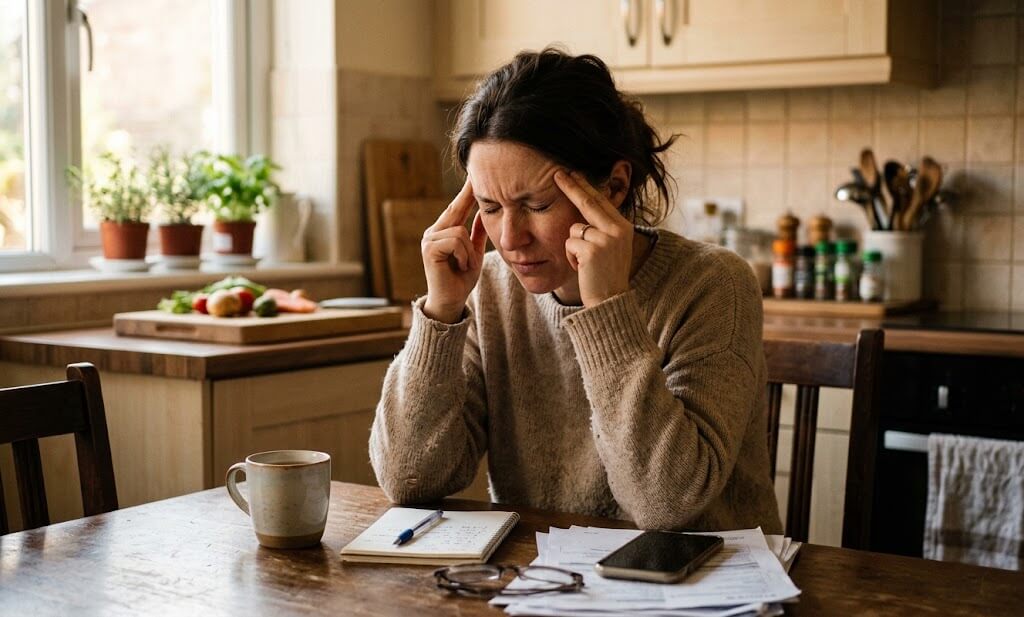
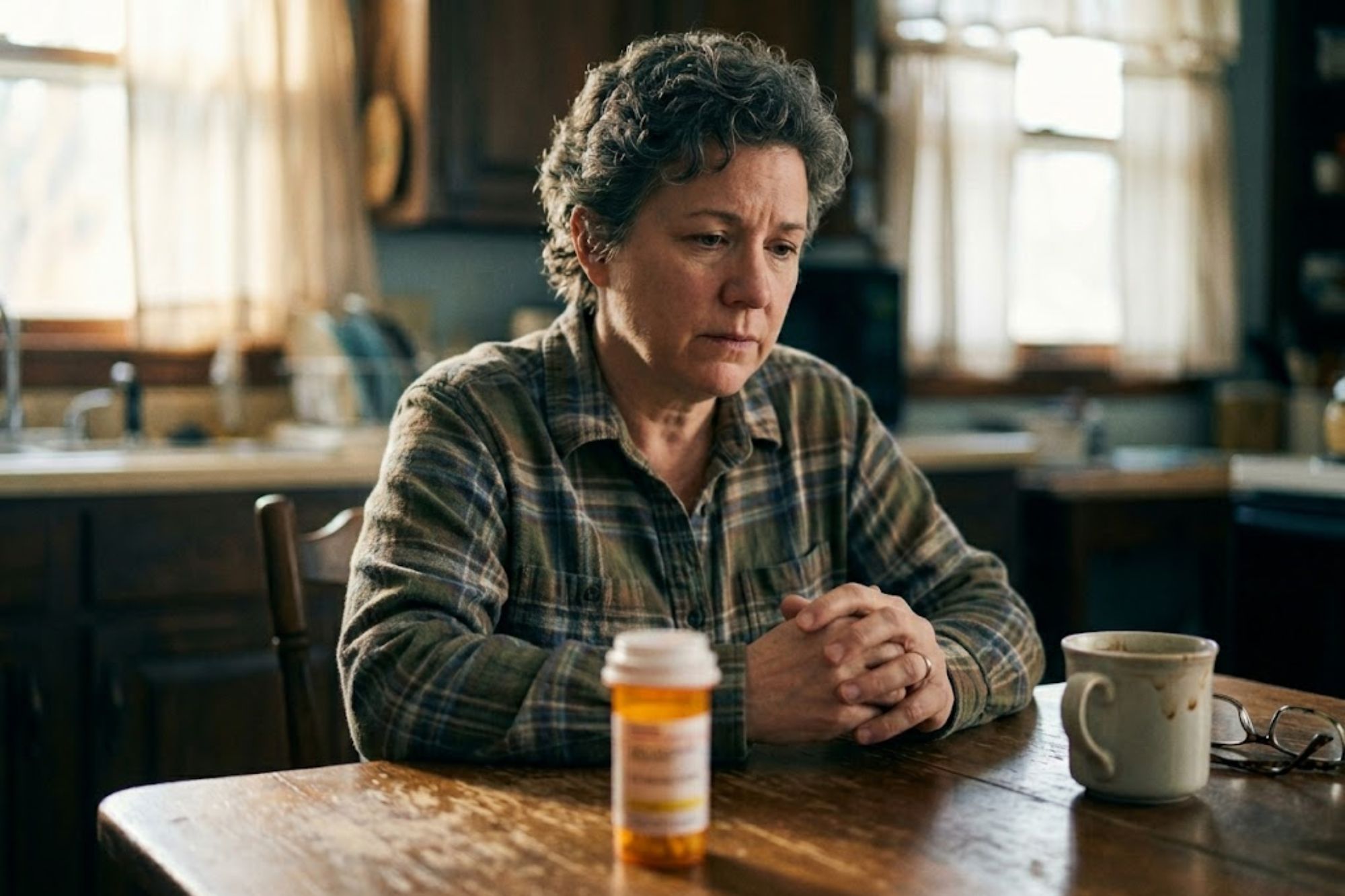

The prescription started legitimately. A dental procedure, a sports injury, and post-surgical pain management. The doctor prescribed oxycodone, hydrocodone, or another opioid painkiller with clear instructions: take as needed for pain.
For many people, that prescription runs out, the pain subsides, and the pills are forgotten in the medicine cabinet. But for others, something different happens. The pills meant to be temporary become essential. The relief they offered wasn’t just physical. It provided respite from anxiety, stress, or emotional pain that had nothing to do with the original injury.
Prescription painkiller dependency doesn’t announce itself. It’s a gradual slide from legitimate medical use to physical and emotional reliance, often invisible to the person taking the medication until they try to stop and realize they can’t.
Recognizing the signs of painkiller addiction early, including the subtle transitions from appropriate use to problematic use to full dependence, is the first step toward getting the right support.
What Is Prescription Opioid Addiction?
Prescription opioid addiction, clinically called opioid use disorder, develops when the brain’s reward system adapts to repeated opioid exposure. A person begins to need the medication not just for pain relief but to feel functional or emotionally stable. When they try to stop, withdrawal symptoms make it feel impossible to do so without professional support.
This isn’t a character flaw or a sign of weakness. Opioids are among the most powerfully habit-forming substances ever developed, and dependence can take hold even when medication is used exactly as prescribed.
The Scope of the Prescription Opioid Crisis
Prescription painkillers have been at the center of a national public health crisis for over two decades. According to data from the Substance Abuse and Mental Health Services Administration, millions of Americans misuse prescription pain relievers each year, with hundreds of thousands developing opioid use disorder annually.
What makes prescription opioid addiction especially hard to recognize early is its medical legitimacy. These medications are prescribed by doctors, dispensed by pharmacists, and initially used for appropriate reasons. That legitimacy creates a real psychological barrier: “My doctor prescribed this, so it can’t be a problem.”
The reality is more nuanced. Prescription opioids are powerful substances that carry significant dependency risk with prolonged use, regardless of how they were originally obtained. New Hampshire and Massachusetts have both been significantly affected by the opioid crisis, making access to local, specialized treatment more important than ever.
If you want to understand more about the broader forces driving this issue, our blog post on why prescription drug misuse is on the rise covers national trends and their local impact in depth.
How Prescription Use Crosses Into Dependency
There’s a recognizable pattern to how prescription use becomes opioid use disorder. Understanding it helps identify where someone might be in this process.
Stage 1: Appropriate Medical Use. Painkillers are taken exactly as prescribed for a defined medical condition. The medication manages pain effectively, and the person doesn’t think much about the pills beyond their medical purpose.
Stage 2: Tolerance Development. With continued use, the body develops tolerance. The same dose produces less pain relief. This is a normal pharmacological response, not automatically a sign of addiction, but it creates the first vulnerability: higher doses become necessary to achieve the same effect.
Stage 3: Escalating Use. Responding to tolerance, a person may begin taking medication more frequently or in higher doses. Small deviations start here: “The pain was really bad today, so I took an extra pill” or “I took them closer together because the relief wasn’t lasting.”
Stage 4: Psychological Dependence. Benefits beyond pain relief emerge: reduced anxiety, improved mood, and emotional numbness that makes stress more manageable. The medication becomes emotionally important, not just medically necessary.
Stage 5: Physical Dependence. The body adapts to the presence of opioids. Without them, withdrawal symptoms appear: restlessness, muscle aches, anxiety, insomnia, sweating, nausea. The person continues taking medication not primarily for pain relief but to avoid feeling sick.
Stage 6: Opioid Use Disorder. The person continues using painkillers despite negative consequences, loses control over use, engages in medication-seeking behaviors, and prioritizes obtaining medication over other life responsibilities. At this stage, evidence-based professional treatment is essential.
Early Warning Signs: The Subtle Shifts
The earliest signs of painkiller addiction are often rationalized as medically appropriate behavior. Recognizing these subtle shifts early makes a meaningful difference in how quickly someone can get help.
1. Running Out of Prescriptions Early
Taking medication faster than prescribed creates a pattern of running out before the refill date. This looks like requesting early refills with explanations like “the bottle spilled” or “the medication isn’t lasting as long.” It can also include visiting multiple doctors for the same condition to obtain additional prescriptions, seeking pain medication from emergency departments late at night or on weekends, and obsessively counting pills to calculate how long the supply will last.
2. Defensiveness About Medication Use
When family members or healthcare providers raise concerns, people developing dependency often react with defensiveness. This shows up as minimizing how much medication they’re taking, creating elaborate justifications for needing higher doses, responding with anger when loved ones express worry, or taking pills in private and being dishonest about the amount.
3. Preoccupation with the Medication
Painkillers start occupying mental space beyond appropriate medical concern. Persistent anxiety about running out even when medication is plentiful, timing daily activities around the next dose, feeling emotional relief (not just physical relief) upon taking the medication, and always knowing exactly where the pills are at all times are all signs worth paying attention to.
Physical Signs of Painkiller Dependency
As dependence deepens, physical symptoms become more apparent. These are indicators that a professional evaluation is needed.
4. Withdrawal Symptoms Between Doses
Experiencing symptoms when medication wears off is one of the clearest signs of physical dependence. These include muscle aches unrelated to the original injury, restlessness and agitation, difficulty sleeping when medication levels drop, night sweats and temperature dysregulation, nausea or diarrhea as the medication clears the system, and anxiety or panic that resolves shortly after taking the next dose.
These symptoms closely mirror the original pain condition, which makes it hard to distinguish between legitimate pain and withdrawal. That confusion often perpetuates continued use, and it’s exactly why a medical evaluation with dual diagnosis specialists is so valuable.
5. Changes in Sleep Patterns
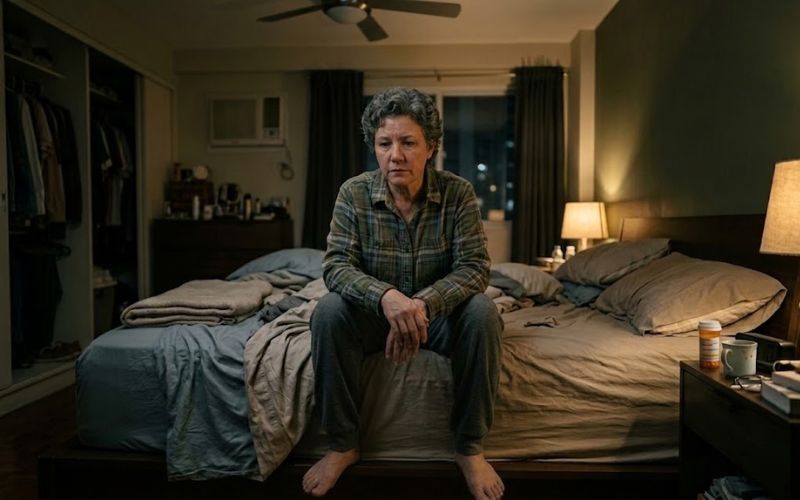
Opioids significantly disrupt sleep quality. Excessive daytime drowsiness, nodding off during conversations or activities that wouldn’t normally cause drowsiness, insomnia and frequent nighttime awakenings despite feeling exhausted, and a completely irregular sleep schedule are all physical signs of chronic opioid use.
6. Constipation and Gastrointestinal Issues
Chronic opioid use slows gastrointestinal function. Severe constipation sometimes requiring medical management, nausea and vomiting at higher doses, and significant unexplained changes in appetite or weight are common physical effects.
7. Pinpoint Pupils
Opioids cause characteristic pupil constriction called miosis. Very small pupils even in dim lighting, pupils that don’t respond normally to light changes, and wearing sunglasses indoors to hide this change are observable physical signs that family members sometimes notice before the person using the medication does.
Behavioral and Psychological Signs
Beyond physical symptoms, opioid use disorder creates behavioral and emotional changes that touch every area of life.
8. Seeking Medication from Multiple Sources
As a single prescription becomes insufficient, people may begin taking pills from friends’ or family members’ prescriptions, purchasing from unregulated online sources, buying prescription painkillers illegally, or taking medication from medicine cabinets during visits to other people’s homes.
This escalation carries serious danger. Illegal opioid supplies are frequently contaminated with fentanyl, a synthetic opioid far more potent than morphine, creating extreme overdose risk. If someone you love has reached this stage, reaching out to Heartfelt Recovery now is the right next step.
9. Social Withdrawal and Isolation
As addiction progresses, social life contracts. People decline invitations, miss family events, abandon hobbies and interests that once mattered. Relationship conflicts increase, often centering on medication use, money, or unexplained behavioral changes. Time alone increases, often to use medication without scrutiny.
10. Deteriorating Appearance and Self-Care
Basic self-care starts to slip: skipping hygiene, wearing unwashed clothes, significant weight changes, appearing chronically exhausted. These aren’t signs of personal failure. They’re signs that someone needs more support than willpower alone can provide.
11. Financial Problems
Prescription painkillers are expensive outside the medical system. Financial strain that’s hard to explain, frequent requests to borrow money, valuable possessions disappearing, or job loss due to poor performance or failed drug tests are all patterns worth recognizing.
12. Declining Work or School Performance
Opioid use impairs concentration, memory, and judgment. This shows up as missed deadlines, increasing absences, difficulty following through on responsibilities that were previously handled well, and disciplinary actions at work or school.
The Intersection with Mental Health
Prescription painkiller addiction frequently coexists with mental health conditions. This is exactly why integrated dual diagnosis treatment matters so much in getting to the root of what’s happening.
Depression and opioid use disorder often reinforce each other. Opioids provide temporary mood elevation, but chronic use worsens depression over time, creating a cycle where the medication that seems to help is actually making things harder.
Anxiety disorders follow a similar pattern. Opioids quiet anxiety in the short term, but tolerance and withdrawal amplify it over time.
For people with trauma histories, painkillers can offer temporary escape from trauma-related symptoms without addressing the underlying psychological wounds. Trauma-informed care that treats both the addiction and the trauma together is essential for lasting recovery.
Chronic pain adds another layer of complexity. The line between legitimate pain management and dependency can become genuinely blurred when ongoing pain is part of the picture. Someone can experience real, debilitating pain and simultaneously have developed opioid use disorder. Effective care accounts for both realities. Our post on chronic pain, opioids, and a safer path forward explores this intersection in more detail.

When to Seek Help
If you’re reading this and recognizing signs in yourself or someone you love, the right time to reach out is now.
Waiting for things to “get bad enough” is genuinely dangerous with opioids. Overdose can happen at any stage, and progression from problematic use to life-threatening dependency can move faster than most people expect.
A few honest questions worth sitting with:
If you’ve been asking yourself whether your prescription use has become a problem, that question itself is meaningful. People using medication appropriately rarely wonder whether they’re dependent on it. If a family member has expressed concern about your use, their worry comes from love, not judgment, and it deserves to be heard. If you’ve tried to cut back and found you couldn’t, that’s important information rather than a reason for shame. If you experience withdrawal symptoms when you don’t take medication, you have physical dependence that requires medical support to address safely.
Treatment Options for Prescription Opioid Addiction
Effective treatment for prescription opioid addiction brings together medical care, therapeutic support, and long-term recovery planning tailored to your specific situation.
Medication-Assisted Treatment (MAT)
Medication-Assisted Treatment (MAT) combines behavioral therapy with FDA-approved medications that reduce cravings and manage withdrawal symptoms. It’s considered the evidence-based gold standard for opioid use disorder and dramatically improves treatment outcomes.
Suboxone (buprenorphine) is a partial opioid agonist that satisfies opioid receptors without producing a high, allowing people to function normally while avoiding withdrawal. Methadone is a long-acting opioid dispensed through specialized clinics that prevents withdrawal and reduces cravings. Naltrexone (Vivitrol), used after detoxification, blocks the effects of opioids entirely.
MAT is not trading one dependency for another. It’s evidence-based medicine that saves lives and creates the stability needed for meaningful therapeutic work.
Behavioral Therapies
Cognitive Behavioral Therapy (CBT) helps identify triggers, shift thought patterns that support continued use, and build healthier coping strategies. Dialectical Behavior Therapy (DBT) develops skills in emotion regulation, distress tolerance, and mindfulness. Individual and group therapy sessions provide space to process underlying trauma and build peer support. Relapse prevention work helps people recognize warning signs and respond before a setback occurs.
Levels of Care
Treatment intensity is matched to the severity of addiction and the individual’s life circumstances.
Medical detoxification, coordinated through Heartfelt Recovery’s detox placement services, provides medically supervised withdrawal management for people with severe physical dependence. This is the safest way to stop opioid use when dependence has developed.
A Partial Hospitalization Program (PHP) offers intensive daily programming without overnight stays, combining medical monitoring, individual therapy, group therapy, and psychiatric services. PHP is often the right starting point after detox.
An Intensive Outpatient Program (IOP) provides structured treatment 9 to 15 hours per week with flexible scheduling, including evening and weekend options. People can maintain work and family responsibilities while receiving expert care. This is one of the most common entry points for working professionals and parents.
Recovery almost always begins at the most intensive appropriate level and then steps down as stability increases. The goal is always to integrate recovery into your life, not to put your life on hold.
Family Involvement
Addiction affects the whole family, and healing works best when the family is involved in the process. Family therapy and education help loved ones understand addiction as a medical condition rather than a moral failure. Communication skills, boundary-setting, and rebuilding trust are all part of the path forward.
If you’re a family member trying to figure out how to help without inadvertently enabling, our post on enabling vs. supporting addiction is a practical starting point. And for families in New Hampshire, our guide to family support resources and programs walks through what’s available locally.
Frequently Asked Questions
What is the difference between physical dependence and addiction?
Physical dependence means the body has adapted to a substance and produces withdrawal symptoms without it. Opioid use disorder involves a loss of control over use despite harmful consequences. Physical dependence can develop without full addiction, but it’s a meaningful warning sign and requires careful medical management when discontinuing opioids.
Can someone recover from prescription opioid addiction?
Yes. Thousands of people recover from prescription painkiller addiction every year. Recovery isn’t always linear, and setbacks happen, but with the right treatment and ongoing support, sustained recovery is entirely achievable. You can read more about how friendships and sober social connections support long-term recovery on our blog.
Is medication-assisted treatment effective for opioid addiction?
Yes. MAT is the evidence-based standard for opioid use disorder. Research shows it reduces overdose deaths, decreases illicit drug use, improves treatment retention rates, and supports long-term recovery outcomes. It’s a legitimate medical treatment, not a shortcut.
How do I help a loved one who is refusing treatment?
This is one of the most painful situations families face. Expressing concern without judgment (“I’ve noticed these changes and I’m worried about you” rather than accusations), offering to help research options together, and understanding the difference between support and enabling are all important starting points. Our team can also walk you through next steps, including how a professional addiction interventionist can help.
Does Heartfelt Recovery Centers accept insurance?
Yes. Heartfelt Recovery Centers works with major insurers, including BCBS, Cigna, Aetna, United Healthcare, and others. You can verify your insurance coverage directly on our website before your first call.
Recovery Is Possible
The transition from prescription use to dependency doesn’t make a person weak, immoral, or beyond help. Opioid use disorder is a brain-based medical condition that develops in response to powerful substances that alter the reward system. The same mechanisms that make these medications effective for managing pain create real vulnerability to dependence.
The shame that surrounds prescription opioid addiction, the internal voice that says “I should have known better,” keeps many people from reaching out. But shame is a barrier to healing, not a path through it. Compassionate, evidence-based care meets people where they are, without judgment, and build a plan grounded in their actual life, not a one-size-fits-all program.
People recover. They rebuild careers, restore relationships, and find their way back to lives they recognize and love. That path looks different for everyone, and Heartfelt Recovery Centers is built to meet you wherever you are in yours.
If you’re ready to take the first step or just need to talk through your options, our admissions team is available now. No pressure. Just support.
Related Reading from Heartfelt Recovery
- Why Prescription Drug Misuse Is on the Rise: National Trends and Local Impact
- Chronic Pain, Opioids, and a Safer Path Forward
- Enabling vs. Supporting Addiction: How to Help Without Hurting Recovery
- Family Support for Addiction in New Hampshire: Resources and Programs
Heartfelt Recovery Centers is a Joint Commission-accredited, LegitScript-certified outpatient treatment center serving New Hampshire and Massachusetts. Programs include PHP, IOP, dual diagnosis treatment, medication-assisted treatment, Suboxone treatment, trauma therapy, and family support services.
41 Sagamore Park Road, Hudson, NH 03051 | (603) 207-1633 | heartfeltrecoverycenters.com

MD Mitchell Grant Cohen
Dr. Mitchell G. Cohen is a board-certified Internal Medicine specialist with over 34 years of experience in patient-centered healthcare. A graduate of Hahnemann University School of Medicine, Dr. Cohen completed his internship at the University Health Center of Pittsburgh, where he gained invaluable hands-on experience. He is also a certified addiction specialist, holding membership with the American Society of Addiction Medicine (ASAM).
Currently based in Nashua, NH, Dr. Cohen is affiliated with Saint Joseph Hospital, where he provides comprehensive care focusing on both internal medicine and addiction treatment. His expertise includes prevention, diagnosis, and management of adult diseases, as well as specialized care for individuals facing substance use disorders.
Dr. Cohen is committed to fostering open communication, ensuring his patients are fully informed and empowered to make confident decisions about their health and treatment options.