
What Is a Sober House?
A sober house, also called a sober living home, is a substance-free residence for people who are in recovery from a substance use disorder. In New Hampshire, sober houses are a common step for people completing outpatient care. Residents agree to stay abstinent, submit to drug testing, pay rent, take part in house responsibilities, and often attend outside support meetings or continuing treatment. It isn’t a treatment program itself. It’s a living environment structured around recovery, typically used as a step between a more intensive level of care and returning to full independent living.
For people completing outpatient treatment in New Hampshire, a sober house can fill an important gap. It offers a stable, substance-free place to live while someone rebuilds routine, employment, and relationships, away from the environmental triggers that made independent living risky right after treatment.
A note on Heartfelt’s role: Heartfelt Recovery Centers provides Joint Commission-accredited clinical treatment, including PHP, IOP, and standard outpatient programming. We don’t operate sober living housing directly. What we do provide is discharge and aftercare planning that helps identify whether a sober house, a return home with continued outpatient support, or another housing arrangement makes the most clinical sense for each person.
How a Sober House Works
Most sober living homes share a similar structure, though specifics vary by house and by state licensing:
- Abstinence requirement. No drugs or alcohol on the premises, typically enforced with random drug testing.
- House responsibilities. Chores, house meetings, and shared accountability for keeping the space functional.
- Independence with structure. Residents usually work, attend school, or participate in outpatient treatment during the day, then return to a substance-free, peer-supported environment.
- Open-ended length of stay. Unlike some transitional housing tied to a fixed timeline, sober living is generally voluntary and open-ended, lasting as long as it’s useful.
- Peer support. Many houses encourage or require participation in 12-step meetings or other recovery communities.
The National Alliance for Recovery Residences outlines a four-level framework for sober living, ranging from peer-run homes with minimal staff involvement to clinically integrated residences with on-site services. Not every sober house fits neatly into one level, so it’s worth asking directly what kind of supervision and support a specific house provides before someone moves in.
Who Benefits Most From a Sober House
A sober house tends to help most when someone:
- Has completed PHP, IOP, or standard outpatient treatment and needs continued structure
- Doesn’t have a stable, substance-free home environment to return to
- Is early in recovery and benefits from daily accountability and peer support
- Wants to rebuild routines like employment, budgeting, or family relationships gradually, with support close by
It tends to help less for someone who already has strong housing stability and a supportive home environment. In those cases, continued outpatient therapy paired with family involvement may be a better fit than a housing transition.
Sober House vs. Formal Treatment: What’s the Difference
This is a common point of confusion. A sober house is not a substitute for clinical treatment. It doesn’t include therapy, medical monitoring, or medication management. People often live in a sober house while attending outpatient treatment elsewhere, using the house for stable housing and peer accountability while their clinical care happens through a program like IOP or standard outpatient services.
Some sober houses are affiliated with a specific treatment provider, and others operate entirely independently. Either way, the clinical work, including individual therapy, group therapy, relapse prevention planning, and dual diagnosis care, needs a licensed treatment provider. The housing supports that work; it doesn’t replace it.
What to Look for in a Sober House
- Is the house licensed or certified by a state or recognized recovery residence association?
- What level of staff supervision or peer leadership is in place?
- Are house rules, curfews, and drug testing policies clearly explained upfront?
- Is there a connection to outpatient treatment or aftercare planning, or is housing the only service offered?
- What’s the actual cost, and is any portion covered by insurance?
Asking these questions before committing helps avoid houses that offer little more than a place to sleep without the structure that actually supports recovery.
How Heartfelt Supports the Transition
Heartfelt Recovery Centers is a Joint Commission accredited, LegitScript certified outpatient treatment center serving Southern New Hampshire and Northern Massachusetts. Every personalized care plan includes discharge planning that looks at housing, employment, and family circumstances, not just clinical symptoms. This is the same continuum of care that Building a Sustainable Recovery Plan That Actually Lasts describes when planning a clinical step-down from PHP to IOP to standard outpatient care.
For someone stepping down a level of care, that often means a direct conversation about whether sober living fits. It also means flexible scheduling for continued outpatient therapy, built around evening and weekend availability, so treatment doesn’t have to interrupt work or school.
Frequently Asked Questions
Is a sober house the same as a treatment program?
No. A sober house is substance-free transitional housing, not a clinical treatment program. It doesn’t provide therapy or medical care. People often live in a sober house while attending outpatient treatment separately.
How long do people typically stay in a sober house?
Length of stay varies and is usually open-ended rather than fixed. Many people stay for several months to a year, though some stay longer depending on their housing situation and recovery progress.
Does insurance cover sober living?
Sober living housing itself is often paid out of pocket, though some insurance plans may cover portions of continued outpatient treatment received while living in a sober house. Verifying insurance directly with a treatment provider is the most reliable way to understand coverage.
Does Heartfelt Recovery Centers operate sober living homes?
No. Heartfelt provides Joint Commission-accredited clinical treatment, including PHP, IOP, and outpatient programming, along with discharge and aftercare planning. We help identify appropriate sober living options as part of that planning, but we don’t operate housing directly.
Choosing the Right Housing Step After Treatment
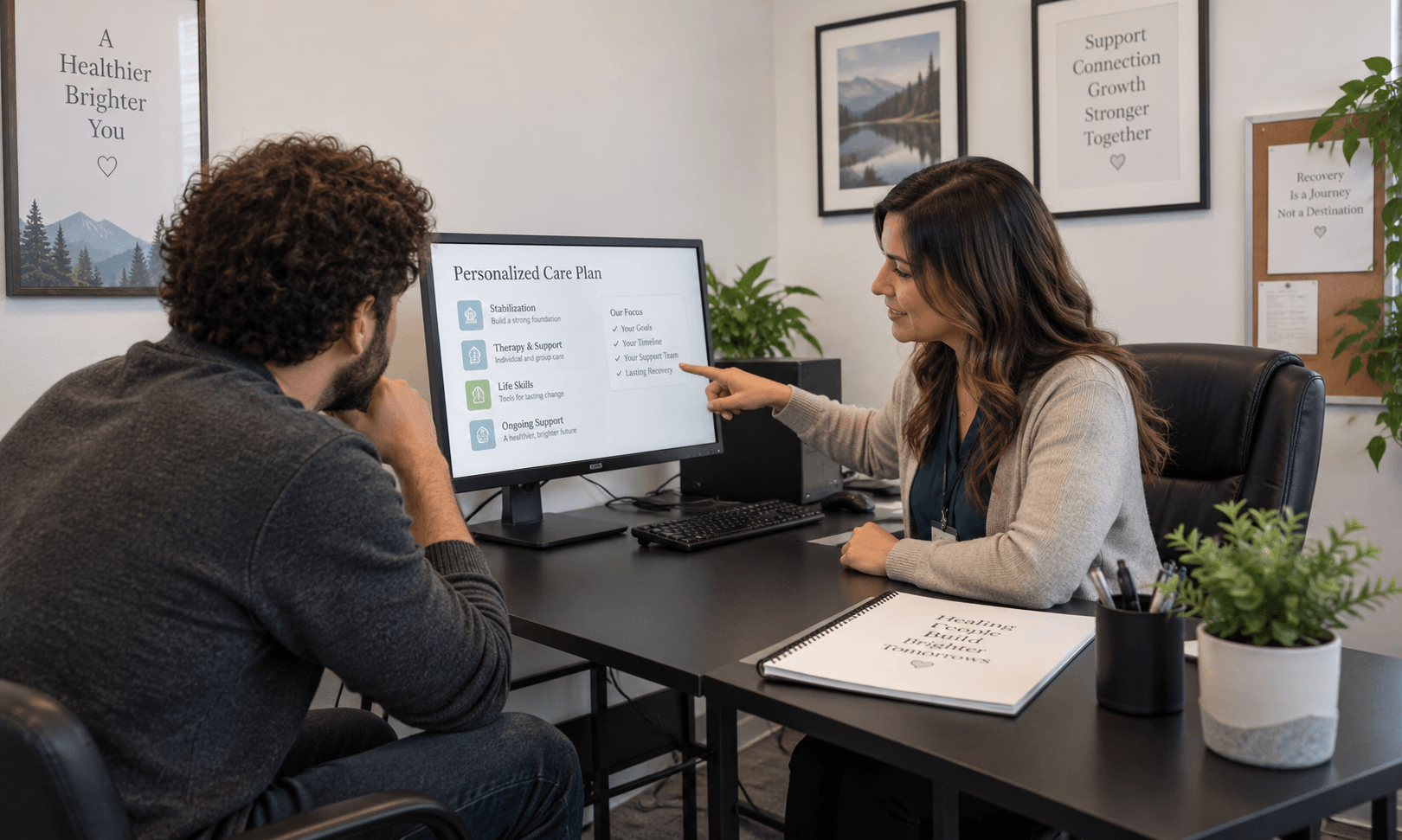
Choosing the right housing after treatment is part of building a recovery plan that actually holds. If you’re finishing a program in New Hampshire or Massachusetts and weighing your options, contact our team to talk through what a personalized discharge plan could look like. You can also verify your insurance to understand what’s covered.

MD Mitchell Grant Cohen
Dr. Mitchell G. Cohen is a board-certified Internal Medicine specialist with over 34 years of experience in patient-centered healthcare. A graduate of Hahnemann University School of Medicine, Dr. Cohen completed his internship at the University Health Center of Pittsburgh, where he gained invaluable hands-on experience. He is also a certified addiction specialist, holding membership with the American Society of Addiction Medicine (ASAM).
Currently based in Nashua, NH, Dr. Cohen is affiliated with Saint Joseph Hospital, where he provides comprehensive care focusing on both internal medicine and addiction treatment. His expertise includes prevention, diagnosis, and management of adult diseases, as well as specialized care for individuals facing substance use disorders.
Dr. Cohen is committed to fostering open communication, ensuring his patients are fully informed and empowered to make confident decisions about their health and treatment options.